




The clothing industry and the rules it now works under.

Regulation, the ultra-fast segment, materials, and the people who publish the measurements.

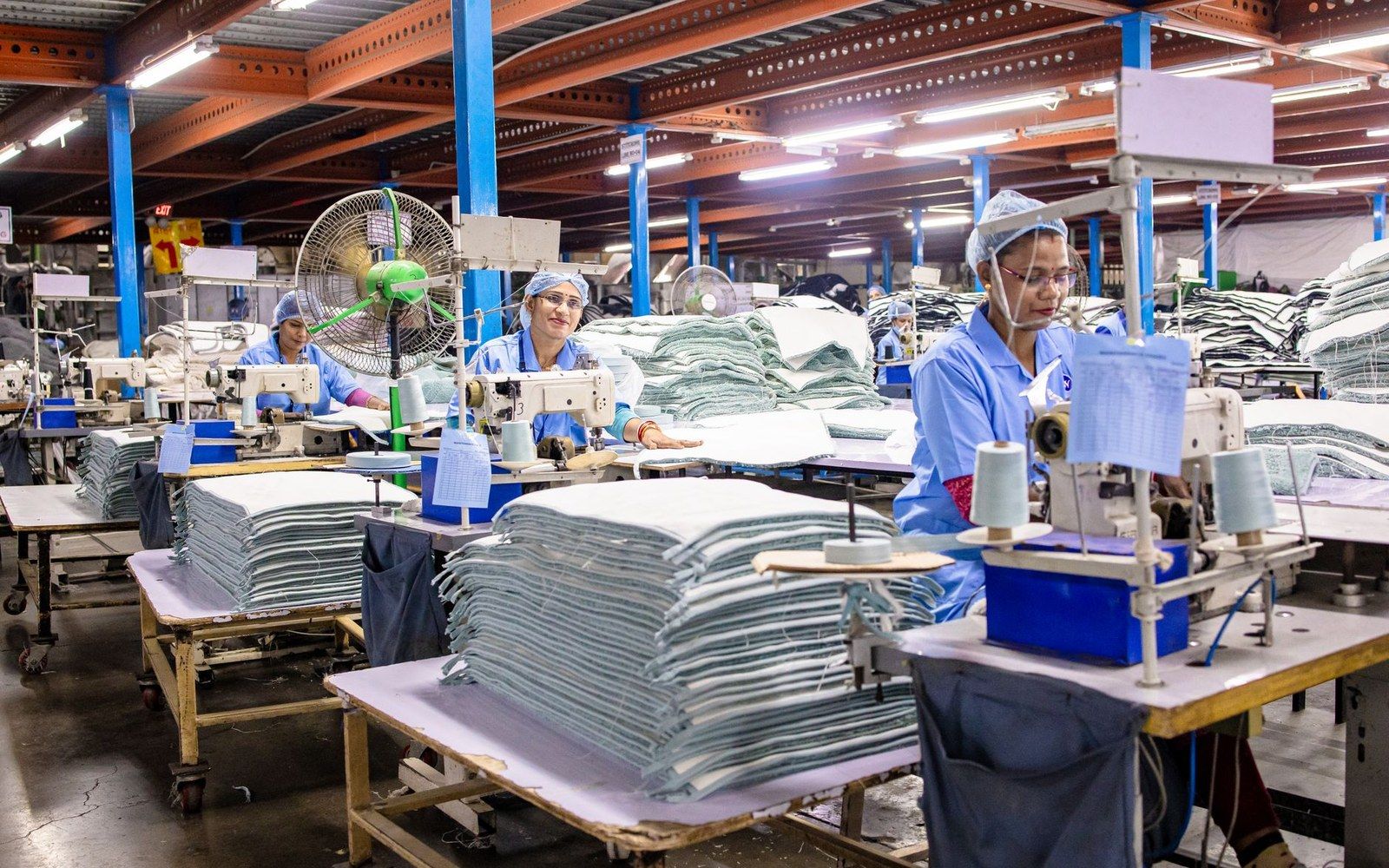
Adult machinists at rows of industrial sewing machines on a garment factory floor, overhead fluorescent light, bolts of fabric stacked at the end of each row
§ 1.1France · 14 March 2024

A levy of five euros an item, rising to ten by 2030, capped at half the sale price — and no advertising at all.

Assembly stitching at a garment unit. The frequency thresholds in the French text are written against the release cadence a floor like this can sustain.

Photo: EqualStock IN / Pexels
§ 1.1France
14 March 2024

That is the text the National Assembly adopted on 14 March 2024. It is the first statute anywhere to define a category of clothing by the speed at which it is put on sale, and to attach a charge to it. The Senate passed a modified version in June 2025.

Read the bill, article by article
Close-up of a jacket's care label showing a QR code beside care symbols

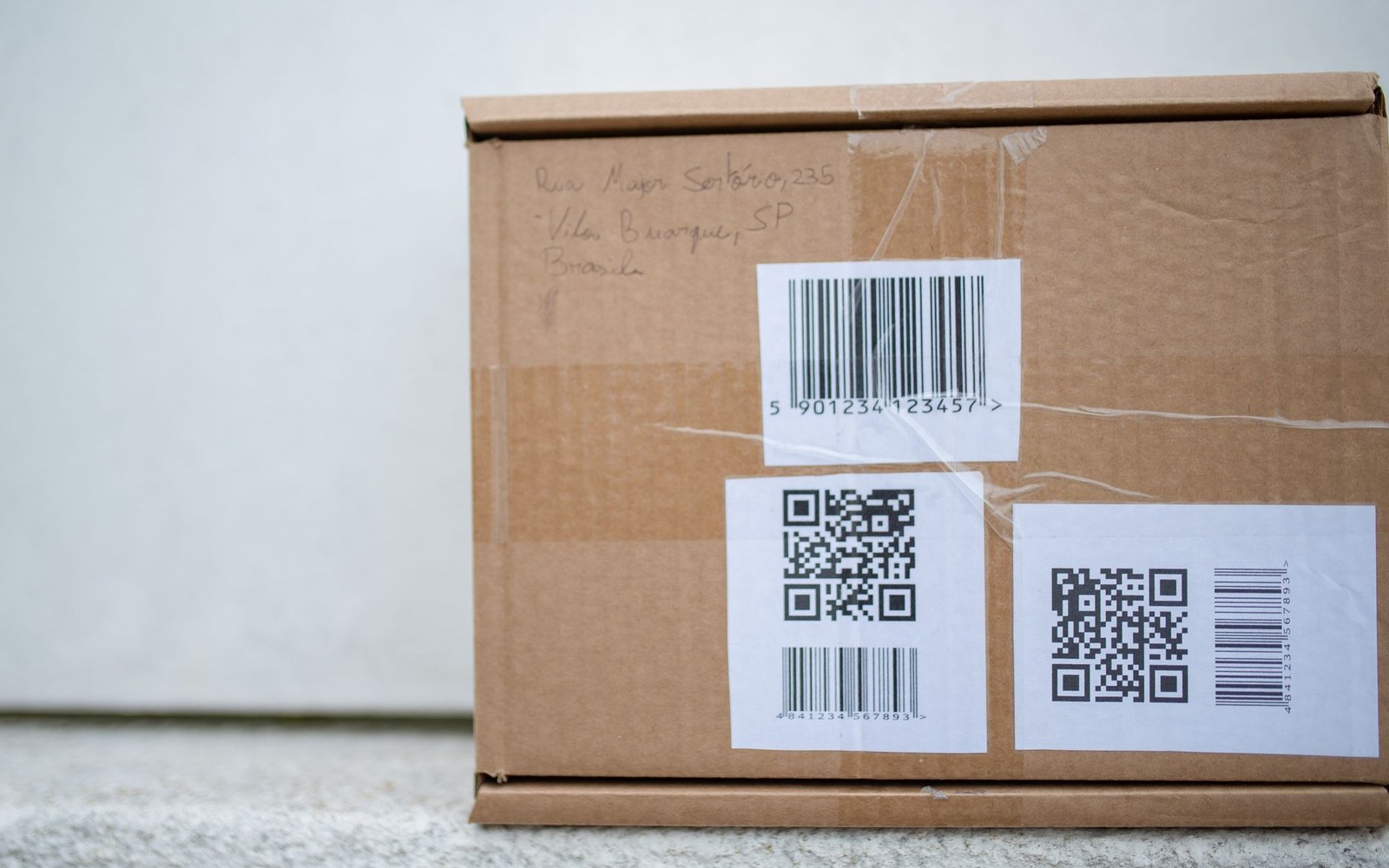
Barcode and QR stickers on an inbound parcel. The digital product passport has to carry more than this, and fit on the garment’s own label.

Photo: Kampus Production / Pexels
§ 0Supported by Who backs the reading pages

Trackers of the same legislative thread.

For the regulation desk
For the archive

On 1 January 2025 separate collection of textiles became mandatory across the European Union.

Regulation, dated →
Workers sorting donated garments by hand at a moving belt in a textile-collection operator's sorting hall, bins of graded clothing visible behind them

Grading is manual: reuse, recycling, refuse. Separate collection produces the stream; the sorting decides what it is worth.

Photo: EqualStock IN / Pexels
Three pieces to start with

What the rules are actually aimed at

Ultra-fast

Until 2 May 2025 the Parcel Came In Duty-Free

The United States exempted imports under $800 from duty and formal entry. One executive order ended that for China and Hong Kong on 2 May 2025; a second ended it for all other origins on 29 August 2025.

§ 1.4Workers sort red apples on multiple conveyor belts inside a packing facility
Parcels valued under $800 entered the United States without duty or formal entry until 2 May 2025.

Photo: Jonathan David / Pexels
Materials

Polyester Is 54 Per Cent of It

Textile Exchange’s Materials Market Report 2023 put global fibre production at about 116 million tonnes for 2022.

Close-up of woven blue-gray polyester fabric with a flecked textured surface

Textile Exchange put global fibre production at about 116 million tonnes for 2022.

Photo: Lana Kravchenko / Pexels
Who measures

The Higg Score Came Off the Label

In June 2022 the Norwegian Consumer Authority found consumer-facing claims built on the Higg Materials Sustainability Index misleading.

Seven blank pale green price tags hanging on strings against a black background

The Norwegian Consumer Authority’s finding of June 2022 took the score off the label.

Photo: Ann H / Pexels
Regulation, dated

Four rules, four dates, and one of them is already in force

  1. 2024In force18 July 2024

    Ecodesign for Sustainable Products Regulation

    Regulation (EU) 2024/1781 entered into force on 18 July 2024 and provides for the digital product passport. Textiles are named in the first working plan.

  2. 2025In force1 January 2025

    Separate collection of textiles

    Required in every member state from 1 January 2025 under the revised Waste Framework Directive.

  3. 2025Agreed2025 revision

    Extended producer responsibility for textiles

    Agreed in the 2025 revision of the Waste Framework Directive, with member states to establish schemes within a fixed period after transposition.

  4. 2026Not yet27 September 2026

    The end of unqualified “eco” labelling

    Directive (EU) 2024/825 bans generic environmental claims from 27 September 2026.