What Better Cotton's Audit Actually Checks
The world's largest cotton certification covers roughly a fifth of global supply — but it does not guarantee a single fibre of certified cotton reached the garment on the label.
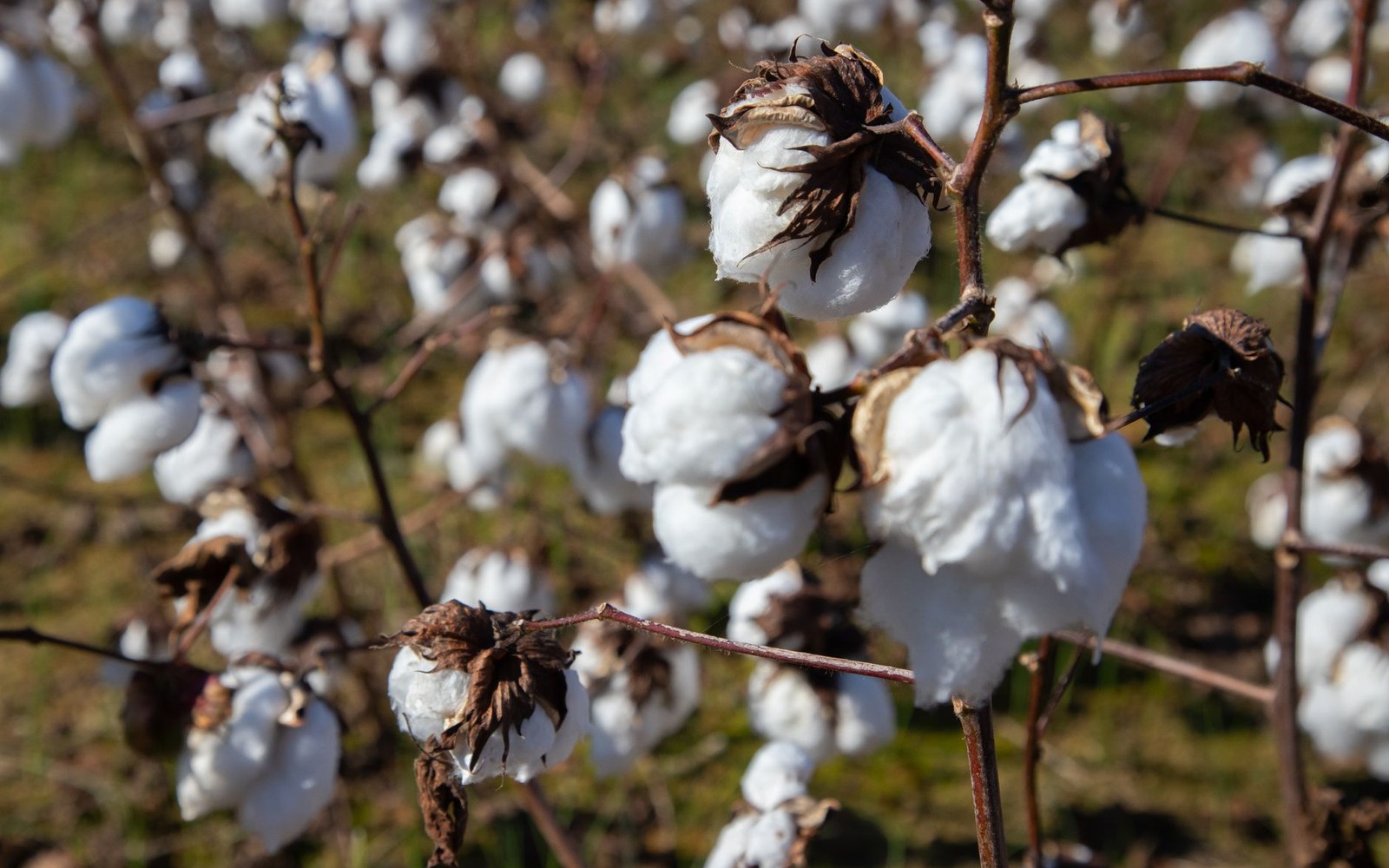
Better Cotton is the largest certification scheme by volume; its chain of custody is not garment-level.
Photo: Mark Stebnicki / PexelsWhat the Scheme Measures
Better Cotton is a Geneva-based non-profit whose licensing programme reached approximately 2.9 million farmers and covered around 22 percent of global cotton production by the 2022–23 growing season, according to Better Cotton's own impact data. Those numbers make it the dominant certification in the fibre, ahead of organic standards and the smaller Fairtrade Cotton scheme. Member brands — including Inditex, ASOS and a substantial portion of LVMH's and Kering's supply bases — pay a sourcing fee and report uptake volumes annually.
The audit methodology operates at the farm level. Trained field facilitators, often working through local partner organisations, assess participating farmers against six core principles: water stewardship, soil health, crop protection chemical management, fibre quality, decent work conditions, and climate resilience. Audit visits check whether farmers have adopted recommended practices — reduced pesticide applications, drip irrigation where available, record-keeping on inputs — rather than testing the physical fibre. A farm meeting the standard receives a licence to sell its crop as Better Cotton.
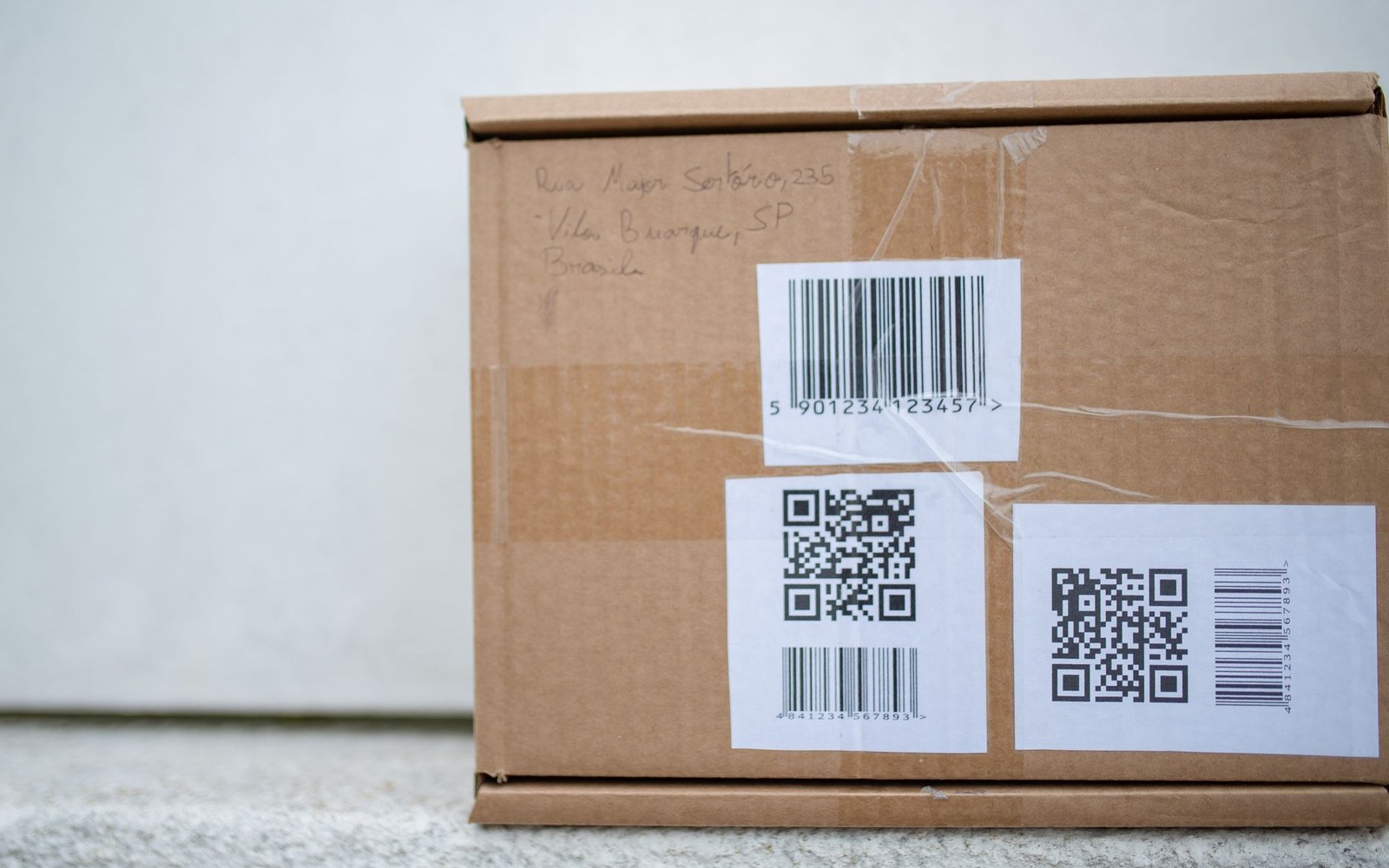
Barcode and QR stickers on an inbound parcel. The digital product passport has to carry more than this, and fit on the garment’s own label.
Photo: Kampus Production / PexelsWhat the audit does not do is follow that fibre into a yarn mill, a weaving shed, a dyehouse, or a finished garment. Better Cotton operates on a chain-of-custody model called mass balance: certified and uncertified cotton move through the supply chain commingled, and a brand buying Better Cotton effectively purchases a credit that corresponds to a volume of certified production somewhere in the system. The cotton in the actual shirt may have been grown in a conventional field in Uzbekistan or the United States; the licensing fee funds certified farming elsewhere.
The Water Numbers and Their Sources
Cotton's reputation as a water-intensive crop rests on figures that are accurate but require context. The most-cited estimate — roughly 10,000 litres of water to produce one kilogram of lint — derives from research on water footprints by Arjen Hoekstra and colleagues at the University of Twente, whose work underpins the Water Footprint Network's database. That figure is a global average blending rain-fed and irrigated production across highly varied geographies; cotton grown on rainfall in West Africa carries a very different footprint from flood-irrigated cotton in the Indus Valley.
How the scheme works — at a glance
- Farm audit — checks practices against six principles; does not test the physical fibre
- Mass balance — certified and uncertified cotton commingled after the farm gate; brands buy volume credits
- Brand licence — fee paid per kilogram of Better Cotton sourced (by credit), reported annually
- Logo on label — indicates sourcing credit, not physical presence of certified fibre in that garment
Better Cotton's own field data, published in its annual impact reports, shows that participating farmers reduce water use relative to a local comparison group — a finding the scheme presents carefully, noting that it reflects practice change, not an absolute footprint per kilogram of fibre. The comparison-group methodology has attracted scrutiny from researchers who note that baselines vary by region and that data collection relies partly on farmer self-reporting. The scheme's position is that farm-level improvement is the appropriate unit of measurement, not lifecycle fibre accounting, which is a reasonable framing — provided brands do not overstate what the logo on a hang-tag certifies.
What the Label Can and Cannot Claim
The practical consequence is that a garment carrying the Better Cotton logo has contributed licensing revenue to a programme that supports better farming practices. It has not necessarily been made from fibre grown to that standard. This distinction matters because the EU Green Claims Directive, which member states will be required to implement by 2026, bans generic environmental claims that cannot be substantiated; a hang-tag implying physical traceability through a mass-balance scheme may not survive that test unamended.
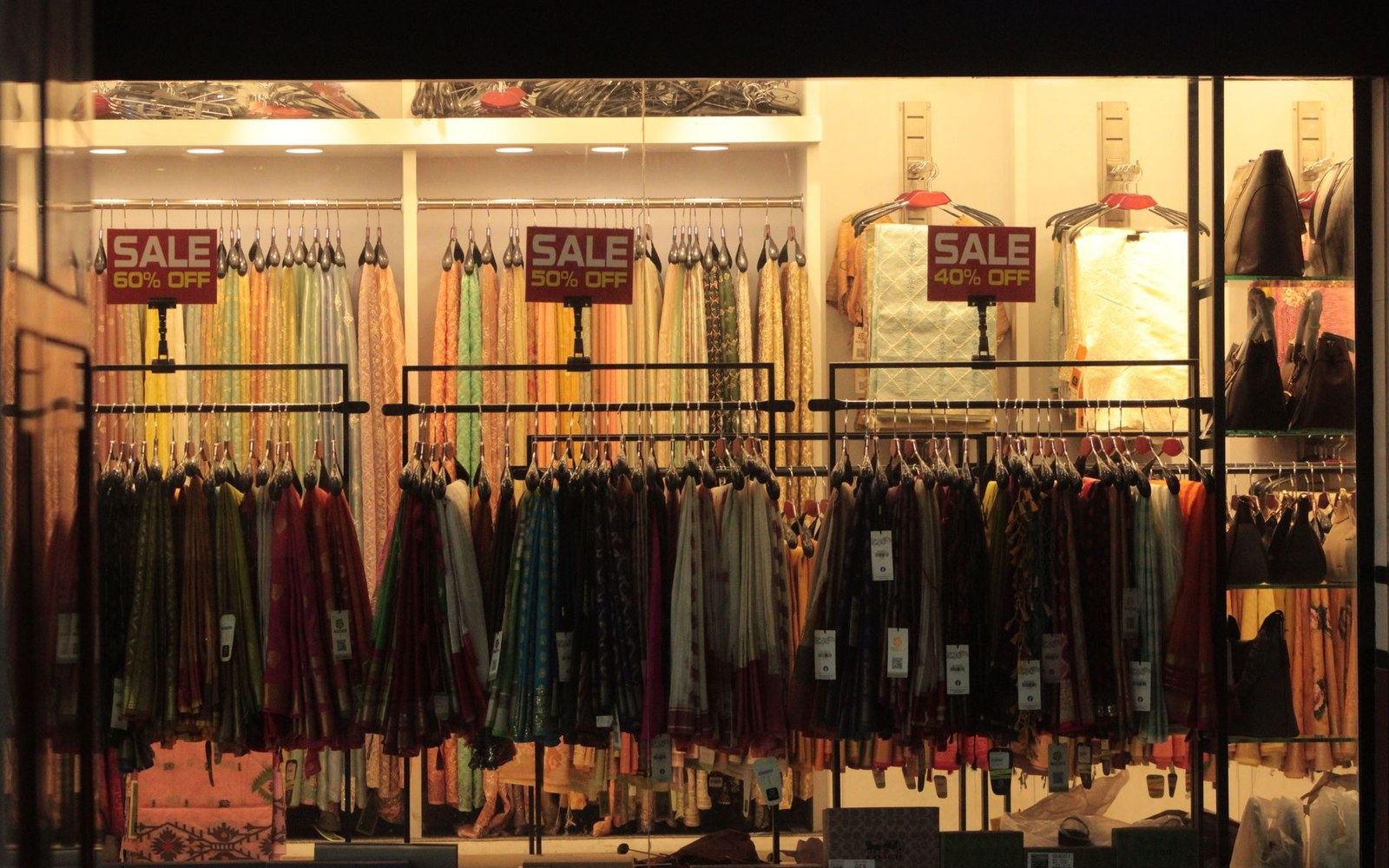
The advertising ban reaches promotion, not the shelf.
Photo: Jahra Tasfia Reza / PexelsTextile Exchange, which publishes the authoritative annual fibre data, tracks Better Cotton adoption as a share of a brand's sourcing volume — the credit system, not physical content. Its Materials Market Report methodology notes this distinction explicitly. Brands that want physical traceability to a certified origin need a different chain-of-custody option — certified organic under GOTS, or Fairtrade Cotton — both of which are smaller, costlier to operate and significantly harder to scale to the volumes that major retailers require.
Better Cotton is not a fraud. It is a practice-change programme that uses a mass-balance model to reach scale, with trade-offs that are documented in its own literature. The audit verifies whether farmers are farming differently. It does not verify what is in the garment.
The water figure, unpacked
- 10,000 litres per kg of lint — global average (Hoekstra / Water Footprint Network); combines rain-fed and irrigated production
- Rain-fed West African cotton — substantially lower footprint than the average
- Flood-irrigated Indus Valley cotton — substantially higher
- Better Cotton's own metric — percentage reduction in water use versus local comparison group, not litres per kg

A domestic machine and a bench: the cheapest intervention anywhere in the chain.
Photo: Gustavo Fring / Pexels