The Passport That Has to Fit on a Label
Regulation (EU) 2024/1781, in force from 18 July 2024, provides for the digital product passport as the primary disclosure instrument for textiles. This piece covers what the passport must carry, where textiles sit in the Commission's working plan, and the technical challenge of encoding it at care-label scale.
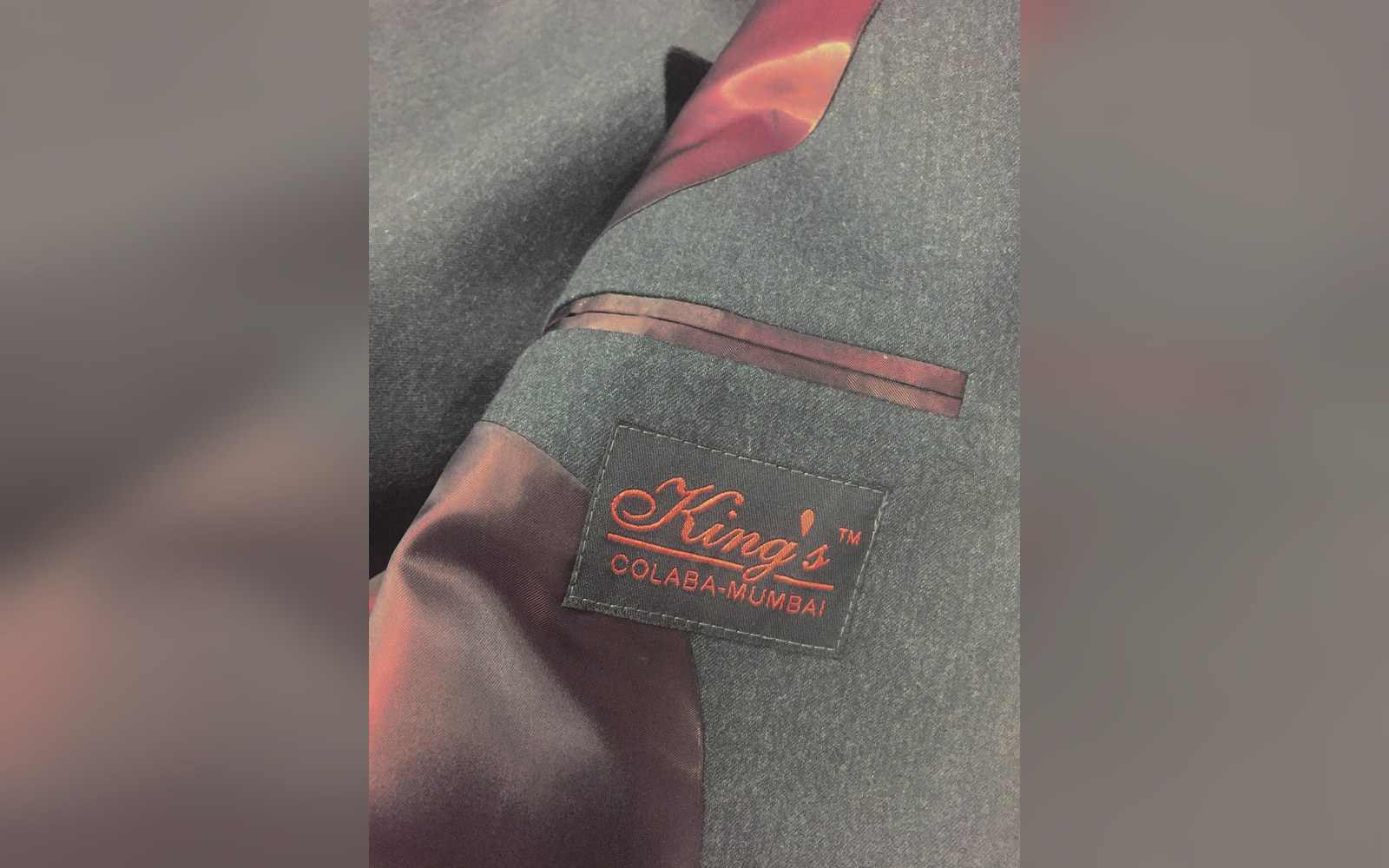
Regulation (EU) 2024/1781 entered into force on 18 July 2024.
Photo: King's, in Mumbai - a jacket's label · Wikimedia CommonsA new disclosure standard sits at the centre of EU textile regulation — and its practical limits are just beginning to show
Regulation (EU) 2024/1781, the Ecodesign for Sustainable Products Regulation, entered into force on 18 July 2024. It replaces the older Ecodesign Directive, which applied only to energy-using products, with a framework that can reach almost any category of goods placed on the EU single market — including, explicitly, textiles. At its centre is a mechanism that was barely a concept when its predecessor was written: the digital product passport.
The passport is a machine-readable data record, linked to a physical product via QR code or similar tag, that must disclose a defined set of information about a product's materials, supply chain, durability, repairability and end-of-life options. The principle is that any consumer, recycler or enforcement body — anywhere along a product's life — can scan the code and retrieve verified information about what, exactly, they are holding. For textiles, this means a garment would need to carry accessible data on fibre composition, the origin of those fibres, chemical treatment, recyclability and ideally the manufacturing locations involved.
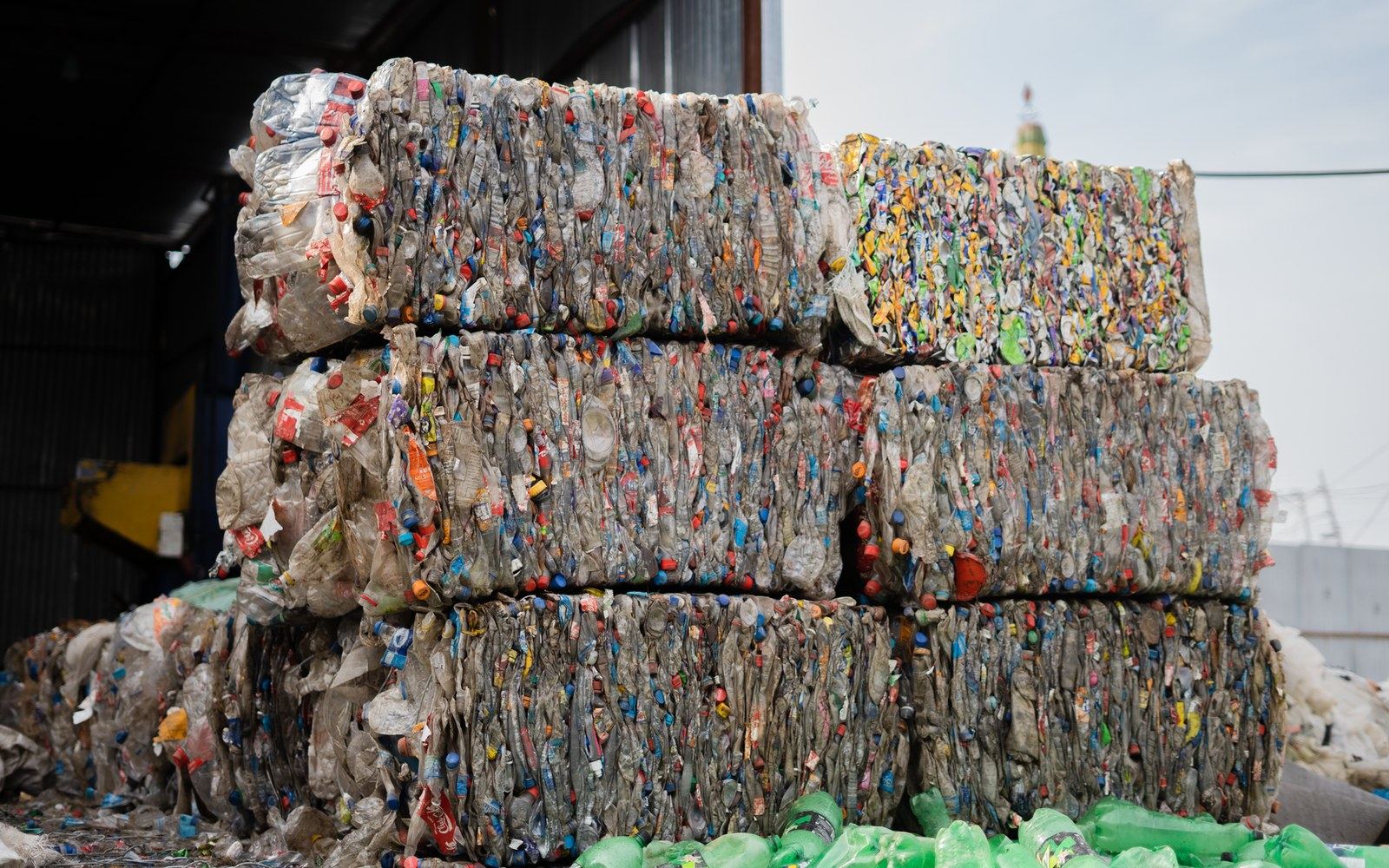
Baled at the end of sorting. Bale grade, not garment quality, sets the price.
Photo: Gaurav Ranjitkar / PexelsWhat the regulation requires, and what it defers
Regulation (EU) 2024/1781 creates the legal architecture; it does not, by itself, specify the exact data fields required for any particular product group. Those details are set through delegated acts — secondary legislation that the European Commission adopts after technical preparatory work. Textiles are listed in the Commission's working plan as one of the priority product groups, but as of mid-2025 the dedicated delegated act for clothing and textiles has not yet been finalised. The battery sector received its passport requirements first, in part because battery supply chains are shorter and the data infrastructure more mature.
This sequencing matters. Until the delegated act for textiles is adopted, manufacturers face a framework obligation without precise implementing rules. The regulation does, however, establish the outer shape of what a textile passport must eventually carry: information sufficient to support informed purchasing decisions, enable repair and reuse, facilitate sorting and recycling, and assist market surveillance authorities in checking compliance. The Commission is required to ensure that all data held in passports is accurate, complete and consistent with any declarations made elsewhere — closing off the possibility of a passport that says something different from the hang tag.
Key dates
- 18 July 2024Regulation (EU) 2024/1781 enters into force
- 1 January 2025Separate mandatory textile collection takes effect across EU member states under the revised Waste Framework Directive
- Mid-2025Delegated act for textiles (specifying exact passport data fields) not yet finalised as of this writing
The care-label problem
The engineering challenge is less dramatic than the legislative one, but it is real. A passport's access point — typically a QR code, a near-field communication tag or a radio-frequency identifier — has to be physically attached to or embedded in the product. For most clothing, that means the care label, the woven label at the collar, or a hang tag that will be removed before first wear. The QR code itself is compact, but the data it points to must remain retrievable for the full intended life of the product, which for a durable garment could be decades.
That creates a dependency problem: the data must live on a server or registry that stays maintained and accessible long after the point of sale. The Commission's framework addresses this by requiring that passport data be stored on a data carrier controlled by the issuing entity, but the practical question of who maintains that infrastructure — and who funds it — through corporate restructuring, brand acquisition or bankruptcy has not been fully resolved. For large groups such as LVMH or Kering, continuity of a product data system is a manageable problem. For the thousands of small and medium manufacturers that supply European markets from Bangladesh, Turkey or Portugal, the cost and technical complexity of building and maintaining compliant passport systems is a more serious obstacle.
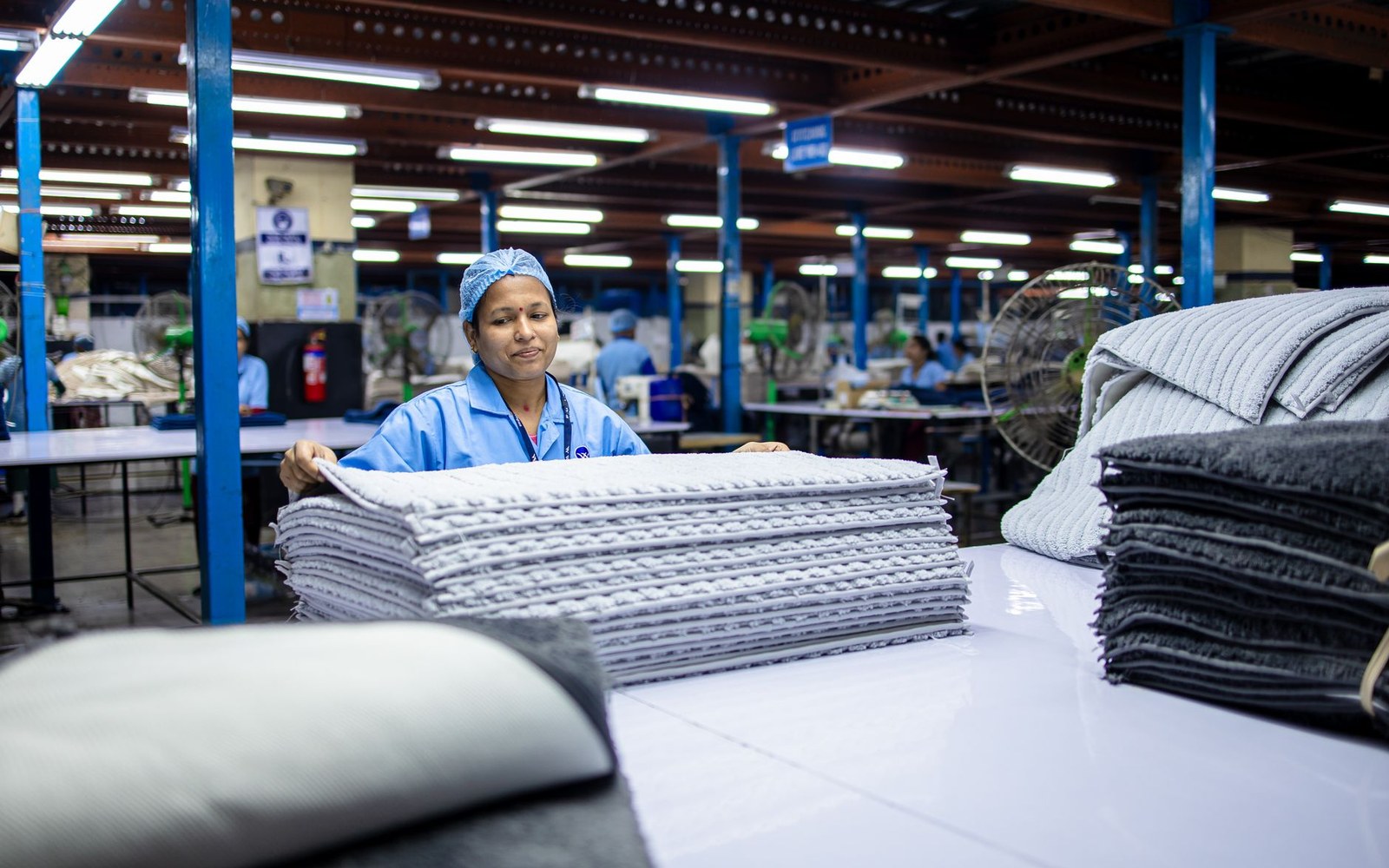
Grading is manual: reuse, recycling, refuse. Separate collection produces the stream; the sorting decides what it is worth.
Photo: EqualStock IN / PexelsThe physical durability of the carrier is a separate constraint. A QR code printed on a care label that goes through hundreds of washes, as a durable-use mandate would imply it should, may become unreadable. Woven or heat-transferred data carriers perform differently from ink-printed ones. NFC chips add cost — currently several cents per unit at scale, which is material when margins on basic garments are already thin. The technical standards that will govern data carrier specifications are being developed partly through bodies such as GS1, whose global standards underpin product identification across retail supply chains, and partly through ISO work that remains ongoing.
Where textiles fit in the sequence
The Commission's working plan under Regulation (EU) 2024/1781 groups products into priority tiers. Textiles and apparel appear alongside furniture, mattresses and tyres as categories where the environmental footprint is large enough to warrant early attention, but the delegated-act process is not instantaneous. Preparatory studies, stakeholder consultations and impact assessments precede each delegated act, and the Commission must also account for the separate mandatory textile collection infrastructure that member states are simultaneously building out under the revised Waste Framework Directive — because passport data and collection systems need to be legible to each other if sorting facilities are to use passport information to make recycling decisions.
The extended producer responsibility schemes now taking shape in France, the Netherlands and elsewhere are a related pressure point. If EPR administrators are going to charge producers differentiated fees based on a product's recyclability or repairability score, they will need a reliable data source for those scores. The passport is the logical supply mechanism, which means the financial stakes of passport accuracy are not only reputational but directly economic.
What the passport cannot do on its own
A digital product passport discloses; it does not verify. The regulation requires that the data entered into a passport be accurate, but the act of entering it is largely the manufacturer's own. The enforcement mechanism is market surveillance — member state authorities checking products already on the market against passport claims. That is a well-established model in EU product regulation, but it is resource-intensive, and the history of textile labelling enforcement suggests that inaccurate fibre composition claims have persisted for years before being detected.
Certification schemes such as those run by Textile Exchange, Better Cotton and Canopy operate on chain-of-custody models that could, in principle, feed verified data into passport records. But the passport framework does not, in its current form, mandate that any particular data field be third-party verified. The gap between disclosure and assurance is exactly what critics of the system have highlighted in early consultations — and it is the gap that will determine whether the passport becomes a genuine transparency instrument or a sophisticated hang tag.
The delegated act for textiles, when it arrives, will close some of that gap by specifying which fields must be populated and to what standard. Until it does, the passport is an architecture waiting for its walls.
How the instrument works
- Passport = machine-readable data record tied to the physical product via QR code, NFC chip or RFID tag
- Data must remain retrievable for the product's full usable life
- Information must be consistent with any other declarations (hang tags, marketing claims)
- Enforcement: market surveillance by member state authorities, not pre-market approval

The show calendar and the drop calendar now run at different speeds.
Photo: Matheus Bertelli / Pexels