Separate Collection, and Who Pays for It
From 1 January 2025 the revised Waste Framework Directive required every EU member state to provide separate collection for textiles. This piece covers the deadline, the extended producer responsibility scheme agreed in the 2025 revision, and the variation in how member states had actually set up collection infrastructure by that date.
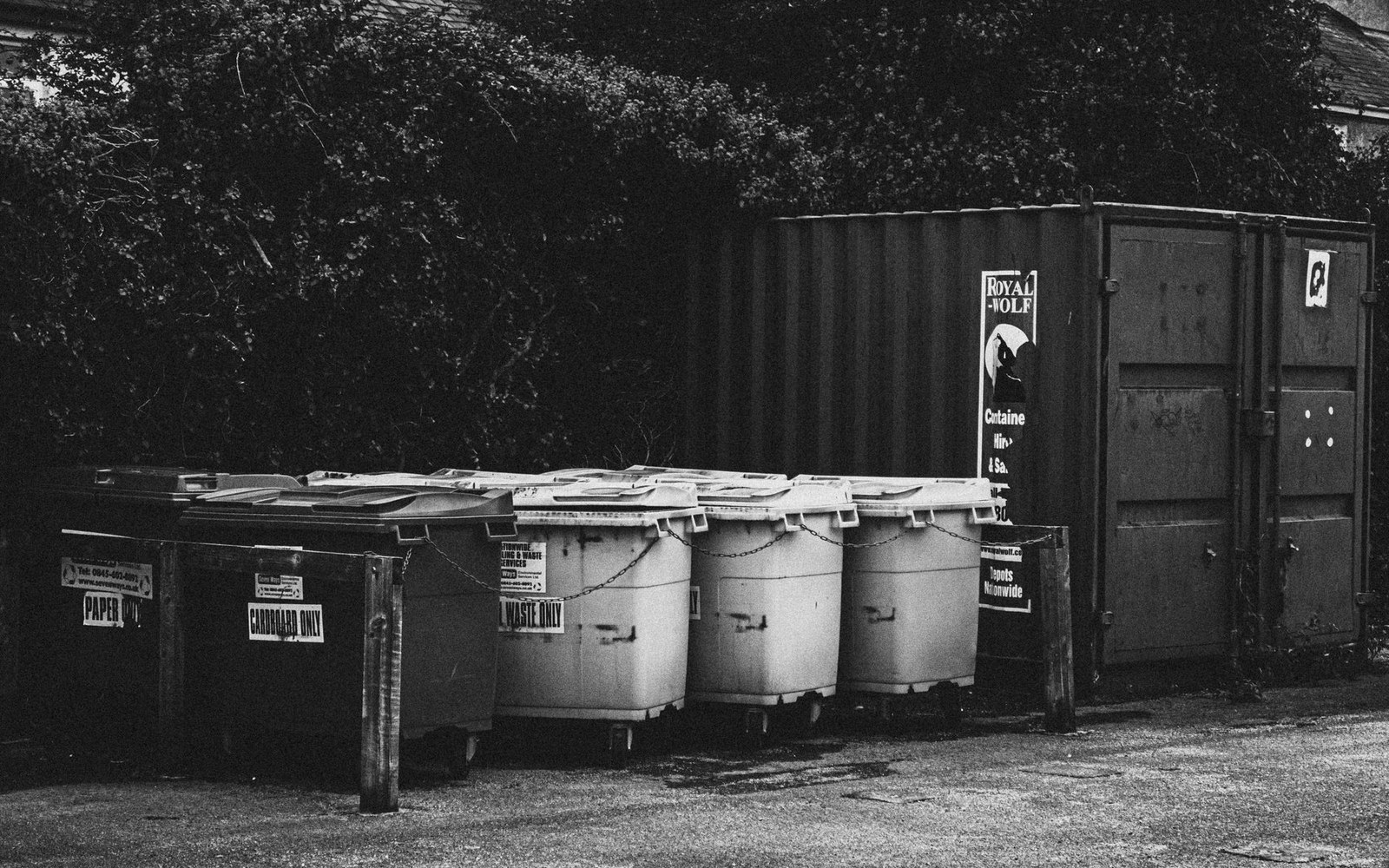
Separate collection of textiles was due in every member state on 1 January 2025.
Photo: Lisa Fotios / PexelsThe Directive, the Deadline and the Infrastructure Gap
From 1 January 2025, every European Union member state was legally required to provide a separate collection stream for used textiles — clothing, household linens, anything fabric — distinct from general household waste. The obligation flows from the Waste Framework Directive as revised in 2018, which amended earlier EU waste legislation to add textiles as a mandatory separate category alongside glass, paper and packaging. The deadline had been known for years. What varied, considerably, was whether countries had built the infrastructure to meet it.
The most established systems were already operating in France, the Netherlands and Germany, where charity and commercial collectors had maintained dense networks of textile drop-off containers for more than a decade. France's system, partly organised through the producer-responsibility scheme known as Refashion (formerly Eco TLC), had by 2025 processed tens of millions of kilograms annually, funding collection through levies on clothing placed on the French market. At the other end of the spectrum, several central and eastern European member states had minimal collection points and no coordinated national scheme in place when the calendar turned.
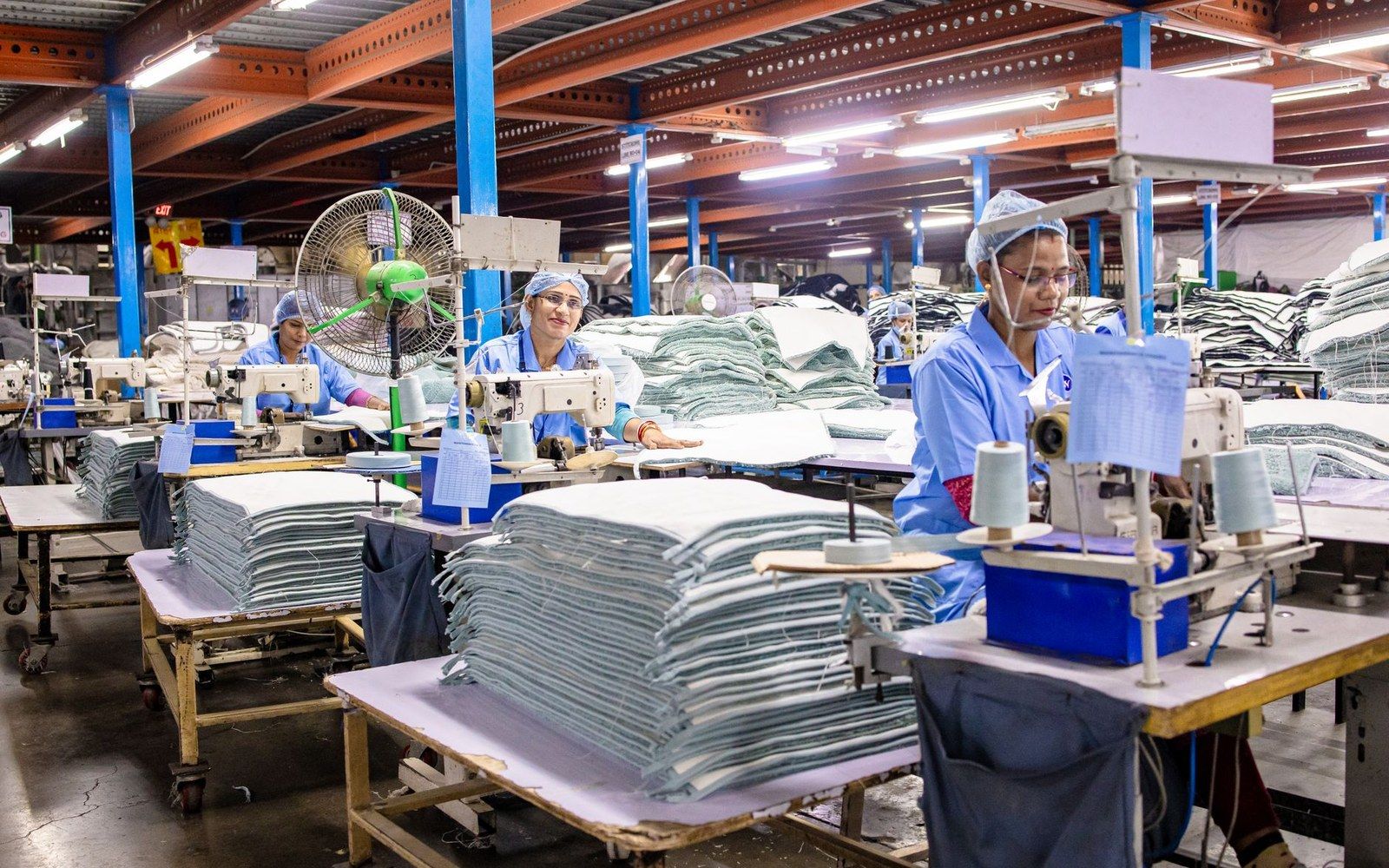
Assembly stitching at a garment unit. The frequency thresholds in the French text are written against the release cadence a floor like this can sustain.
Photo: EqualStock IN / PexelsThe gap matters because separate textile collection is not just an environmental accounting exercise. Sorting, resale and fibre recycling are all downstream of collection; without the first step, targets for recycled-content clothing become structurally impossible to meet. The European Environment Agency has noted that the textile sector generates among the highest rates of waste per kilogram of any consumer goods category, yet pre-2025 collection rates across the bloc remained low and were tracked inconsistently.
Extended Producer Responsibility: Who Writes the Cheque
The 2025 revision to the Waste Framework Directive added a cleaner version of extended producer responsibility for textiles across the EU. Under EPR, the cost of end-of-life collection and processing shifts — at least in part — from municipal budgets to the businesses that place products on the market in the first place. Producers, meaning brands and importers, pay into national schemes; those fees fund the infrastructure.
Key dates
- 1 January 2025mandatory separate textile collection deadline for all EU member states under the revised Waste Framework Directive
- 2008year France launched its textile EPR scheme (originally Eco TLC, rebranded Refashion)
- 18 July 2024Ecodesign Regulation (EU) 2024/1781 enters force, the parallel instrument governing product design requirements
France had operated an EPR scheme for textiles since 2008 and represents the template the revised Directive is nudging other member states toward. The fee structure Refashion applies is tied to volume, weight and, increasingly, material composition — a design that rewards recyclable fibres and penalises blends that sorting technology cannot separate. Whether other member states adopt similarly differentiated fee schedules, or flatten everything into a per-tonne levy, will shape how much the EPR mechanism actually incentivises product design change rather than just subsidising bin collection.
The Directive allows member states flexibility in how they structure their national EPR schemes, which is a polite way of saying implementation will diverge. A brand selling across the EU single market therefore faces a patchwork: fees paid to Refashion in France, to a different body in Germany, potentially to a state body or accredited private scheme in Poland or Romania, on timelines that are not yet fully harmonised. The European Commission has committed to minimum harmonisation requirements, but the detailed secondary rules were still being developed through 2025.

A domestic machine and a bench: the cheapest intervention anywhere in the chain.
Photo: Gustavo Fring / PexelsFor large-volume producers — Inditex, which operates Zara; LVMH's fashion houses; the mass-market giants — the additional compliance cost is manageable. For smaller brands and the many independent importers, the administrative burden of registering with and reporting to multiple national schemes is proportionately heavier. Industry bodies in Brussels lobbied during the revision process for simplification, but the member-state flexibility clause survived.
What the 1 January 2025 date actually produced in practice was a patchwork of compliance, with the north and west of Europe broadly meeting the collection infrastructure requirement, and the east lagging. The EPR financing obligation is the mechanism designed to close that gap over the following years — provided member states transpose the revised Directive's requirements into national law on schedule, which, in EU environmental regulation, is not guaranteed.
How the money moves
- Brands and importers pay fees into a national EPR scheme
- Fees fund collection infrastructure, sorting and processing
- Fee levels may vary by volume, weight or material composition depending on the member state's scheme design
- France's Refashion is the longest-running EU model; other member states are building or adapting schemes
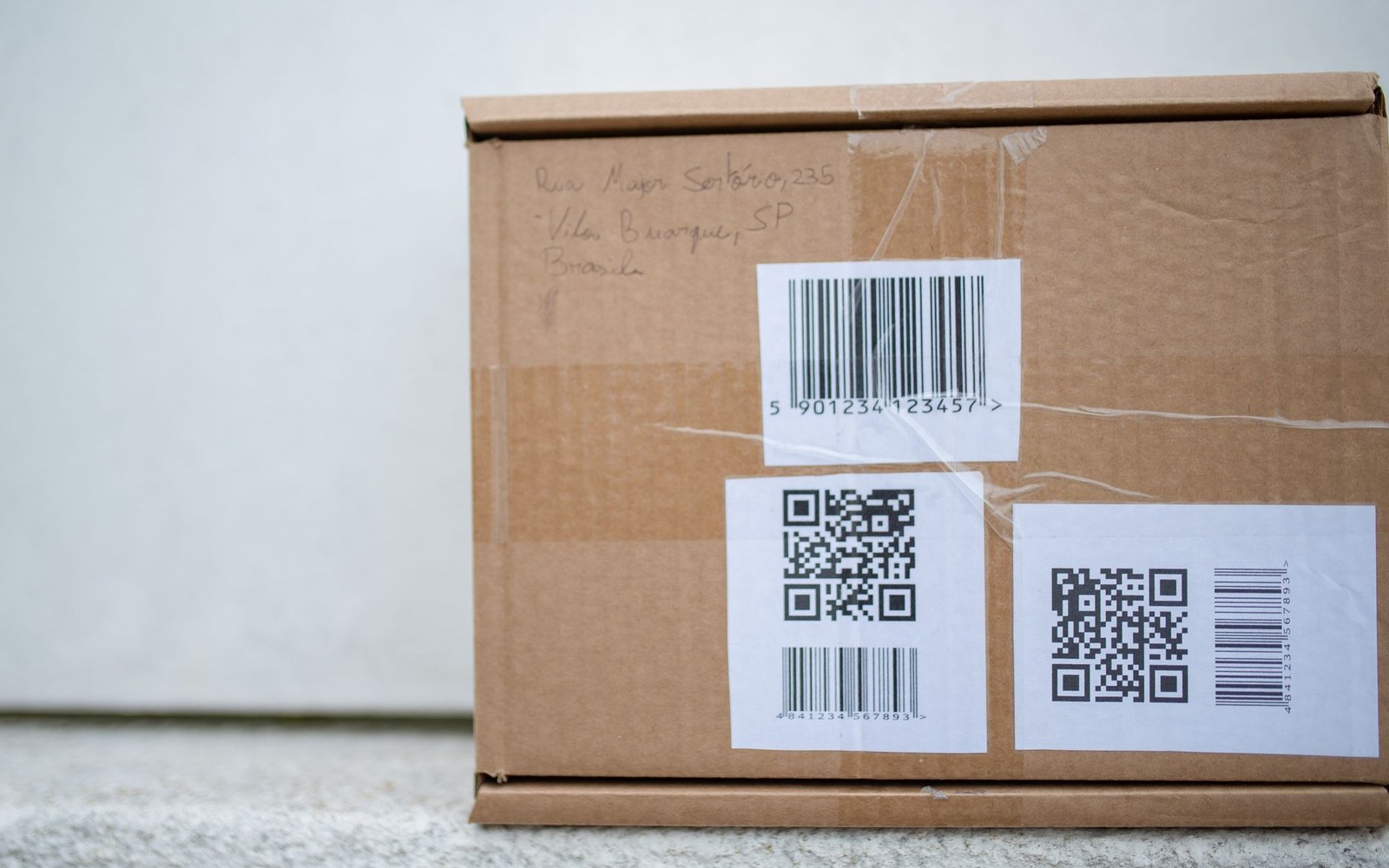
Barcode and QR stickers on an inbound parcel. The digital product passport has to carry more than this, and fit on the garment’s own label.
Photo: Kampus Production / Pexels