Which Mills Canopy Names and Which It Does Not
Canopy's Hot Button Ranking scores viscose and lyocell producers on their sourcing from ancient and endangered forests. This piece covers the methodology, the 2023 rankings, which major suppliers score well and which appear in the lower tier, and what the ranking does not cover in terms of chemical processing.

Canopy’s Hot Button Ranking scores producers on sourcing from ancient and endangered forests.
Photo: Sohan Rahat / PexelsA ranking built on forest origin, not factory chemistry
Canopy, the Vancouver-based non-profit, publishes its Hot Button Ranking to score viscose and lyocell producers against one criterion above all others: whether their wood-pulp sourcing threatens ancient and endangered forests. The 2023 edition assessed more than thirty mills worldwide, assigning each a colour-coded result that runs from dark green — indicating the producer has committed to eliminating ancient and endangered forest fibre — through progressively lighter greens to white, which signals no meaningful commitment at all.
The methodology centres on sourcing practices for man-made cellulosic fibres, specifically whether mills can demonstrate that their wood pulp comes from certified-sustainable or recycled sources rather than from the ecologically irreplaceable old-growth and intact forest landscapes that Canopy tracks. Certification to Forest Stewardship Council standards is weighted, as is progress toward closed-loop dissolving pulp systems and use of agricultural residue or recycled textile feedstocks.
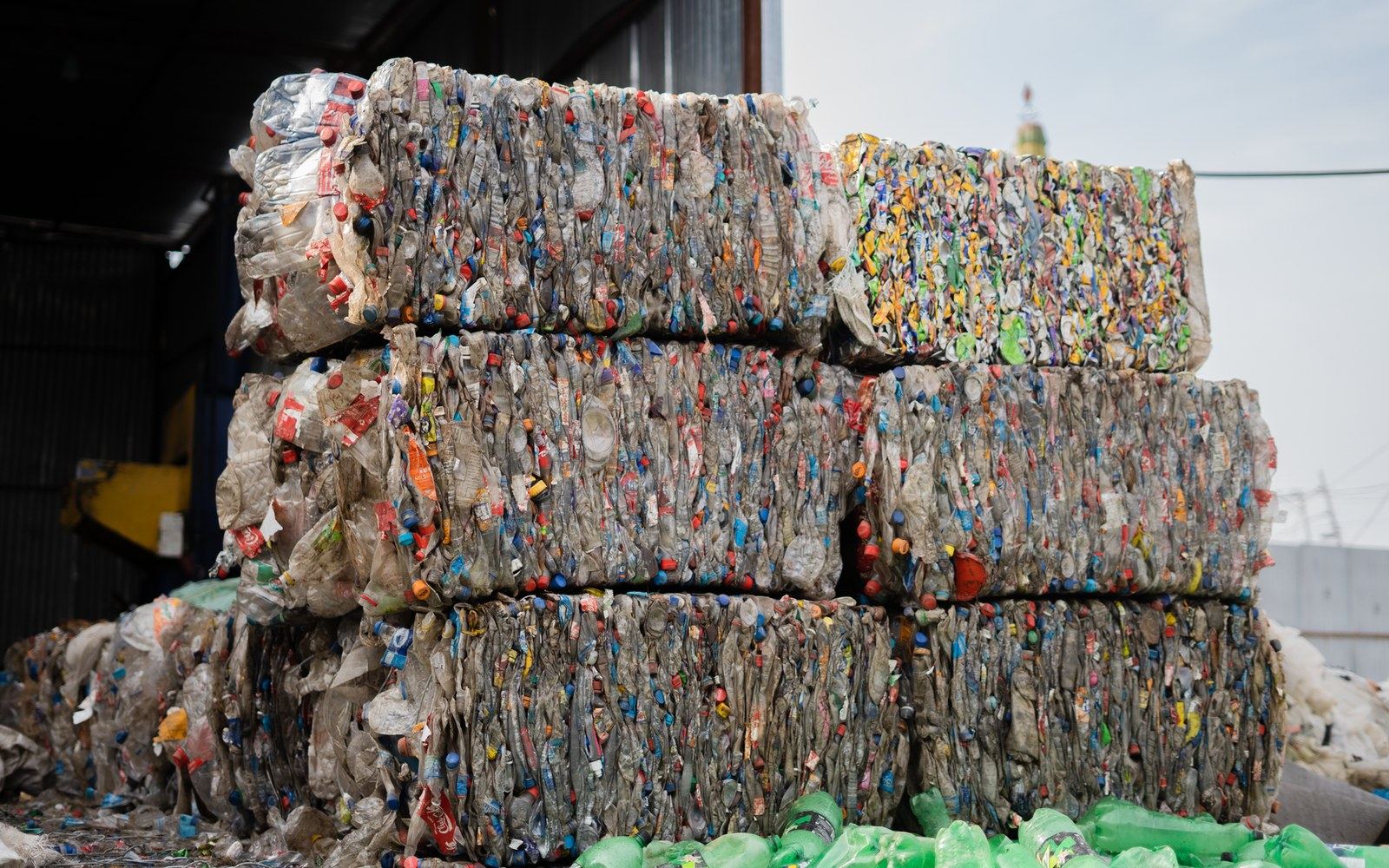
Baled at the end of sorting. Bale grade, not garment quality, sets the price.
Photo: Gaurav Ranjitkar / PexelsAmong the producers scoring in the upper tier in 2023, Lenzing — the Austrian company whose Tencel brand of lyocell and Ecovero branded viscose are widely used by fashion brands — received a dark green result. Birla Cellulose, the man-made fibre division of India's Aditya Birla Group and one of the largest viscose producers by volume, also appeared near the top of the ranking, having signed onto commitments that Canopy's assessors credit. Chinese mill Sateri, part of the RGE Group, received a mid-range result, with reviewers noting ongoing questions about supply-chain transparency in Indonesian pulp sourcing.
The lower tiers of the ranking are where viscose's environmental complexity becomes most visible. Several Chinese producers appeared with white or near-white results, reflecting either limited disclosure or continued sourcing from regions Canopy classifies as high-risk. The ranking does not name every mill audited — some producers are assessed but decline to be publicly listed, a gap that limits the ranking's utility as a comprehensive industry map.
What the colours mean
- Dark green — producer has committed to eliminating ancient and endangered forest fibre and has taken verifiable steps
- Mid-range green — partial commitments or ongoing improvement, with some transparency gaps
- White — no meaningful commitment recorded
What the Hot Button Ranking explicitly does not evaluate is the chemical processing stage of viscose manufacture: specifically, whether mills use closed-loop systems to recover carbon disulfide and other solvents, or release them into waterways and air. Lyocell production is generally considered cleaner in this respect because its NMMO solvent is recoverable, but the ranking does not score on this dimension. A mill can hold a dark green result for forest sourcing and still operate a chemically hazardous viscose process — a distinction that brands purchasing on the basis of Canopy's scores need to hold separately in their due-diligence records.
The ranking is updated annually. Brands including H&M, Stella McCartney and Eileen Fisher have publicly cited it in supply-chain disclosure reporting.
What the ranking does not cover
- Chemical processing: whether carbon disulfide and other solvents are released or recovered
- Lyocell vs viscose chemistry distinction: not scored in the Hot Button methodology
- Mills that decline to be publicly listed: assessed but absent from the published table

The show calendar and the drop calendar now run at different speeds.
Photo: Matheus Bertelli / Pexels