What the Label 'Plant-Based Leather' Is Describing
'Mushroom leather', 'apple leather', 'cactus leather': these are composite materials, and the bio-derived component is often the minor one.
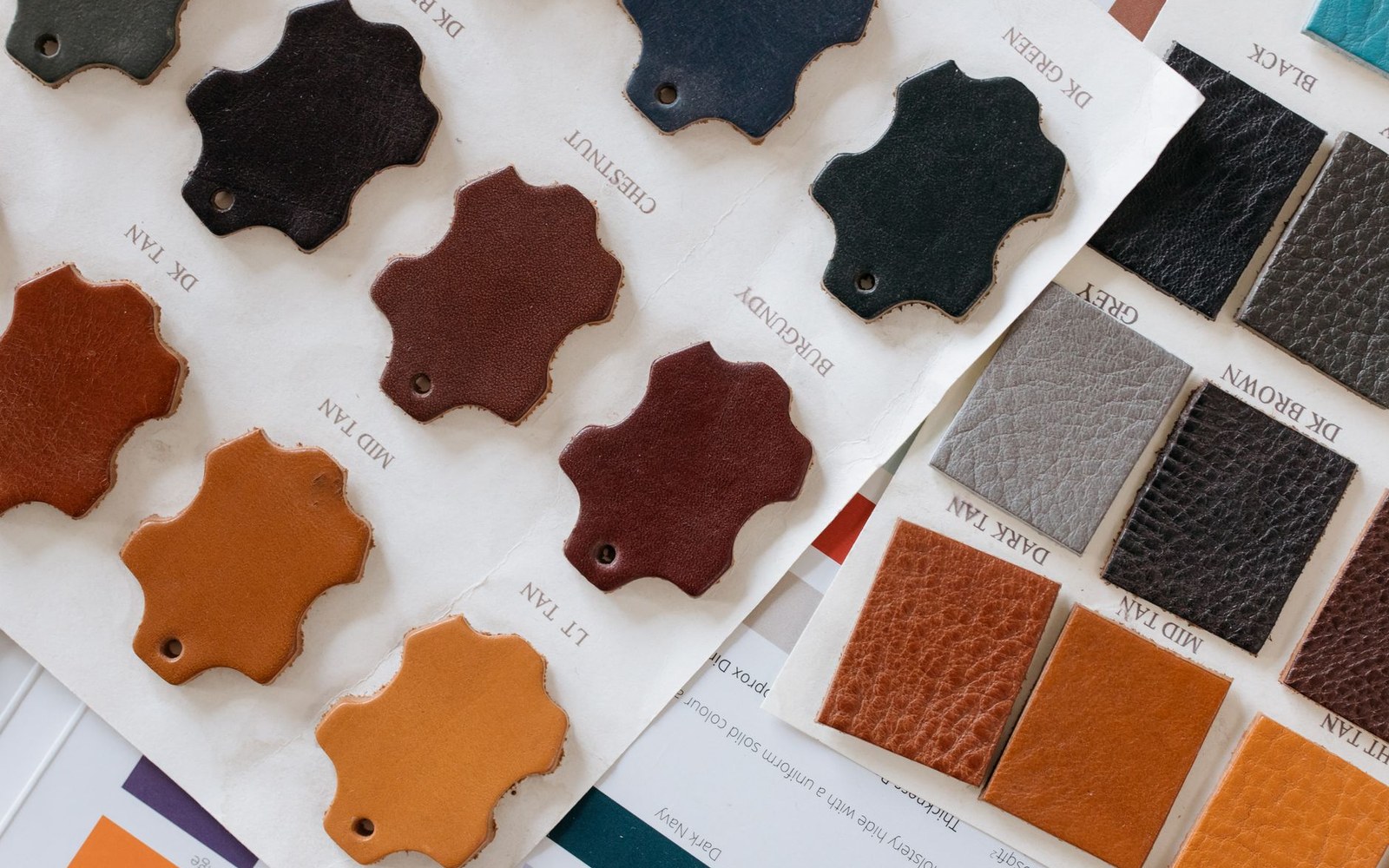
Most material sold as plant-based leather is a composite, and the substrate is usually polyurethane.
Photo: cottonbro studio / PexelsA Substrate the Label Doesn't Name
Every major plant-based leather on the market — Bolt Threads' Mylo (mycelium), Ananas Anam's Piñatex (pineapple-leaf fibre), Desserto (cactus), Vegea (grape marc), Frumat (apple) — binds its agricultural or fungal input to a backing material. That backing is, in most cases, polyurethane. The bio-content figure varies by product and by the methodology used to measure it, but peer-reviewed analysis of several commercial bio-leathers has found bio-derived content ranging from under 10 per cent to roughly 50 per cent by mass, with most products sitting in the lower half of that range.
The name facing the consumer — mushroom, apple, cactus — identifies only the novel or photogenic input. The polyurethane substrate, which typically provides the structural integrity and surface durability the material requires, is absent from the marketing name entirely. That is not fraud; it is, in most jurisdictions, fully legal.
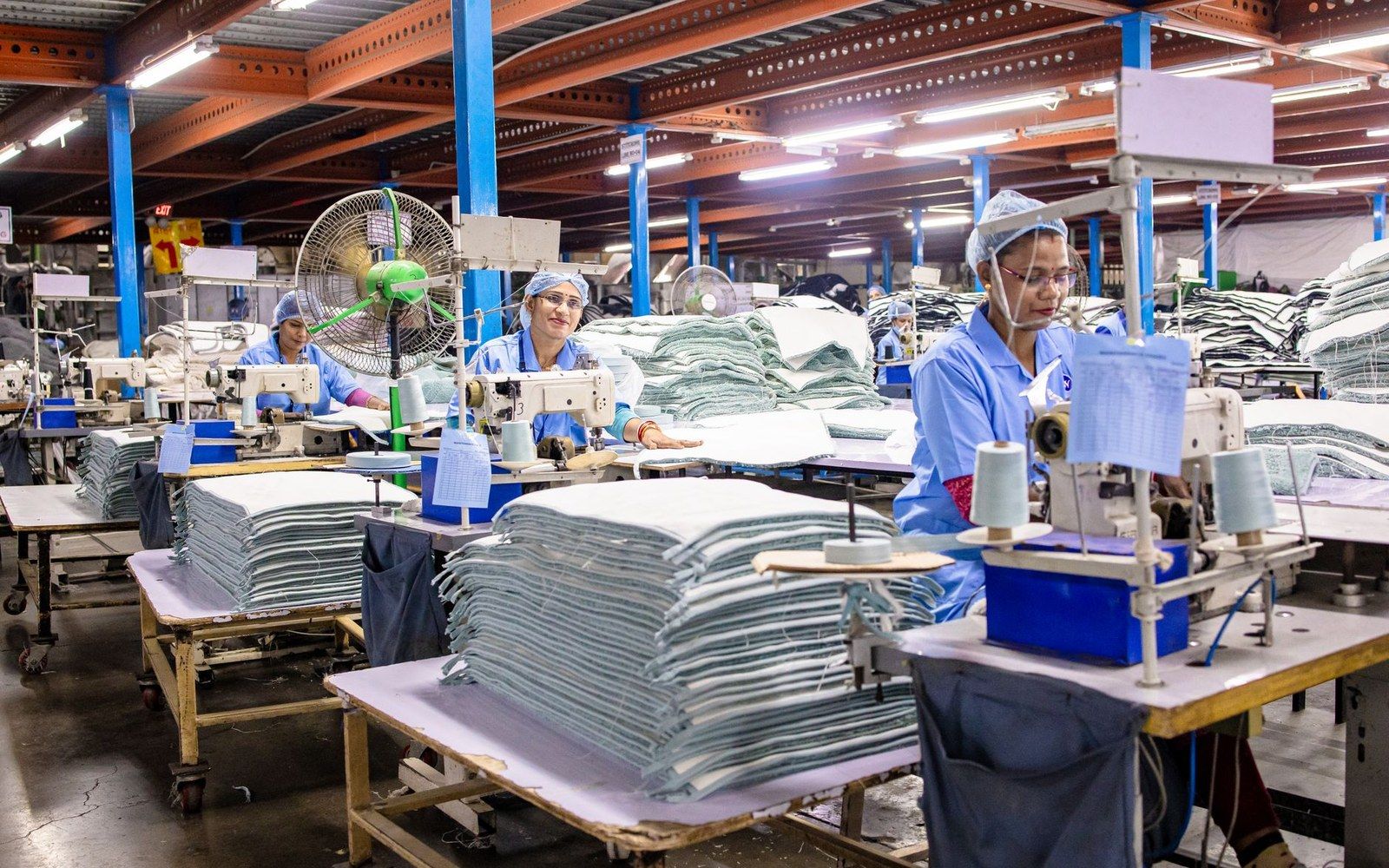
Assembly stitching at a garment unit. The frequency thresholds in the French text are written against the release cadence a floor like this can sustain.
Photo: EqualStock IN / PexelsWhat EU Rules Currently Require
For textiles, Regulation (EU) No 1007/2011 mandates fibre composition disclosure on labels. But that regulation applies only to textile fibres, not to leather or leather-like materials; a bag or shoe made from a plant-composite material falls outside its scope. No EU regulation currently requires a brand to state what proportion of a 'bio-leather' is actually petroleum-derived. The forthcoming digital product passport — introduced under Regulation (EU) 2024/1781 — will require material composition disclosure for textiles and, in subsequent implementing acts, other product categories; whether bio-leather goods are brought within scope in early implementing acts remains to be confirmed in published Commission delegated regulations.
Directive (EU) 2024/825 (the Empowering Consumers for the Green Transition Directive), once transposed by member states, will require that any environmental claim be substantiated with evidence meeting defined criteria. A label reading 'plant-based leather' that obscures a majority-polyurethane composition would, on a plain reading of that directive, require substantiation — but enforcement depends on national authorities acting.
Until then, 'plant-based' describes an ingredient, not a composition.
Where regulation currently sits
- EU Regulation (EU) No 1007/2011 — mandates fibre disclosure on textile labels; does not cover leather or leather-like composites
- Regulation (EU) 2024/1781 — digital product passport framework; scope for bio-leather goods in implementing acts not yet confirmed
- Directive (EU) 2024/825 (Empowering Consumers for the Green Transition) — restricts unsubstantiated environmental claims once transposed; enforcement is member-state-dependent
What the numbers show
- Bio-content range across commercial products: under 10% to roughly 50% by mass, per published material analysis
- Most products fall in the lower half of that range — meaning petroleum-derived polyurethane is structurally the dominant component in most cases
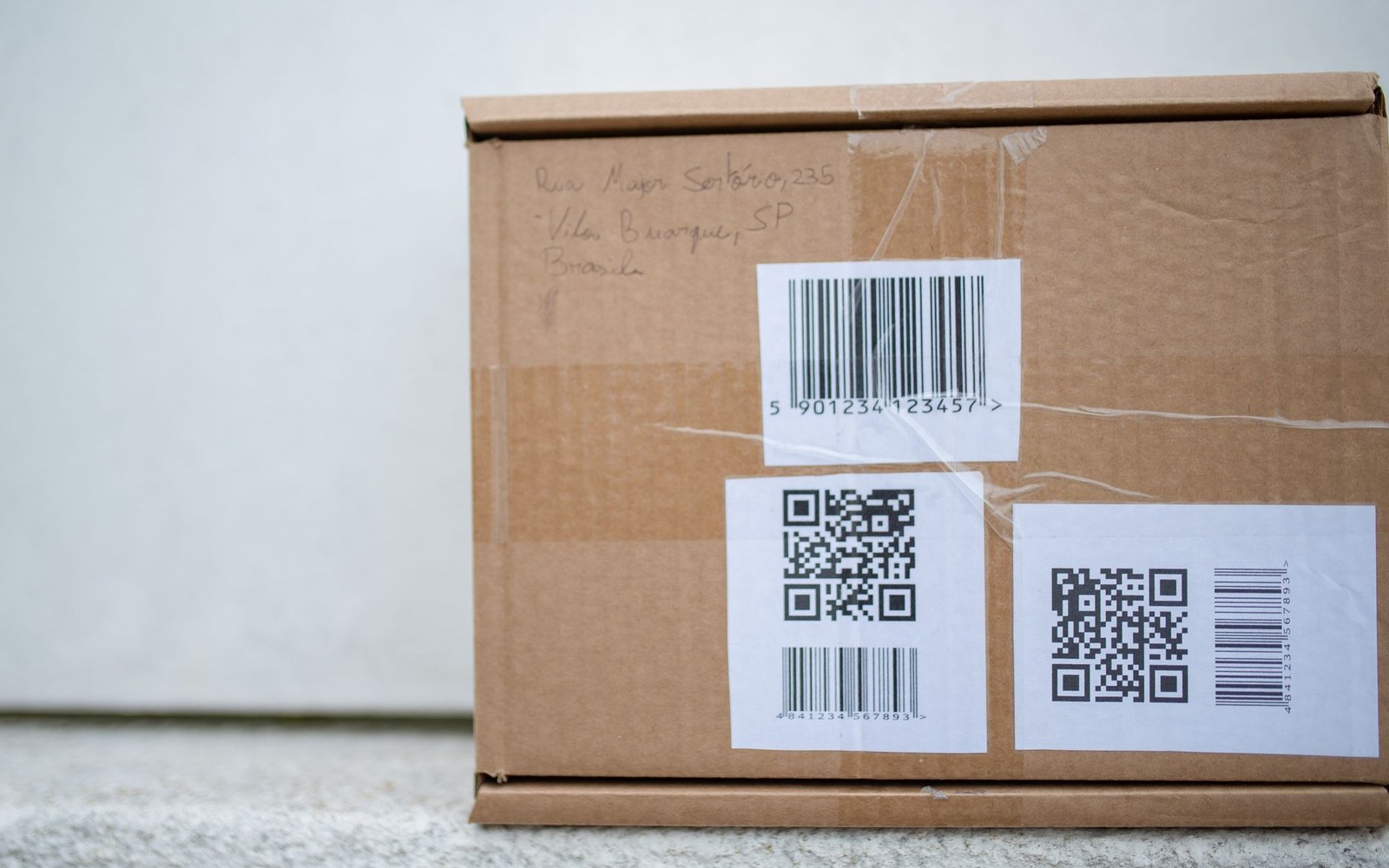
Barcode and QR stickers on an inbound parcel. The digital product passport has to carry more than this, and fit on the garment’s own label.
Photo: Kampus Production / Pexels