The Microfibre Problem Has a Number but Not Yet a Standard
Multiple peer-reviewed studies have quantified synthetic microfibre shedding from laundering, but the figures vary by two orders of magnitude depending on fabric type, wash conditions and measurement method. This piece reviews the published research — including ECHA's 2023 microplastics restriction — and explains why no agreed test standard exists yet.

Shedding figures vary by two orders of magnitude depending on fabric, wash conditions and method.
Photo: Marek Piwnicki / PexelsEvery wash releases them; how many depends on who is measuring
Synthetic textiles shed plastic fibres into wastewater every time they are laundered. That much is established. What remains contested is the number — and the gap between the lowest and highest published figures is not a rounding error. Peer-reviewed studies place per-wash fibre release across a very wide range of fibres per kilogram of fabric, a spread of roughly two orders of magnitude that reflects differences in fabric construction, wash temperature, machine type and, critically, how researchers define and count a "fibre" in the first place.
The European Chemicals Agency codified the problem's scale in its 2023 restriction on intentionally added microplastics, adopted under REACH Regulation (EC) No 1907/2006, which sits alongside estimates that textile washing releases very large quantities of microplastic into EU environments annually. That figure comes with wide confidence intervals ECHA itself acknowledges, because the underlying studies do not share a methodology. Wash temperature, drum speed, detergent chemistry, garment age, fabric weight and fibre fineness each shift the result independently. A fleece jacket and a performance-run shirt are both nominally polyester but shed at measurably different rates.
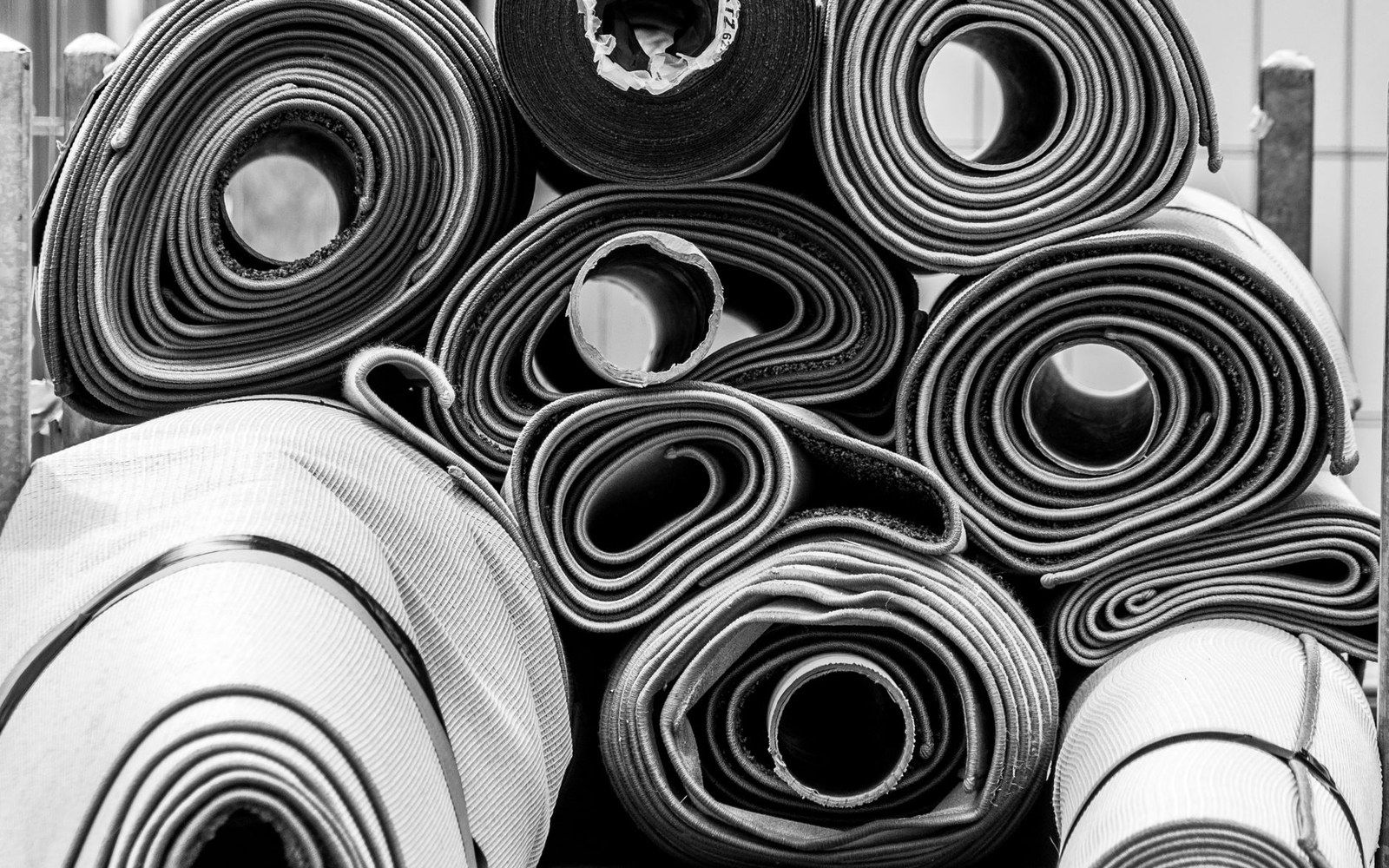
Roll stock bought against a forecast. On-demand production inverts the order — the cloth is committed after the style sells.
Photo: wal 172619 / PexelsWhy the measurement gap matters for regulation
The absence of an agreed test standard is not merely academic. Regulation requires reproducible numbers, and reproducible numbers require a fixed protocol. The International Organisation for Standardisation and the European Committee for Standardisation (CEN) have both carried out preliminary work toward microfibre test methods, but as of mid-2025 no harmonised ISO or CEN standard for textile microfibre release has been finalised. The EU's Ecodesign Regulation (EU) 2024/1781, in force from 18 July 2024, provides for digital product passports to carry environmental data on textiles including microfibre shedding, but the delegated acts that would specify what measurement method feeds that disclosure field are still in preparation.
France's fast-fashion levy legislation of March 2024, which the French National Assembly passed with Shein explicitly in view, does not set a microfibre threshold either. It imposes an eco-score levy on high-volume, low-price garments but calibrates the score against a basket of criteria; microfibre shedding is one input, and the weighting assigned to it depends on how the eco-score methodology is subsequently updated.
Key figures
Industry groups and NGOs have pushed their own interim proxies. The Microfibre Consortium, a UK-based not-for-profit, has developed a laboratory protocol — the Dynamic Immersion Test — intended to give brands a consistent internal benchmark. It does not yet carry regulatory weight. Better Cotton and Textile Exchange have flagged synthetic blends as a monitoring concern in their respective standard revisions, but neither certification scheme mandates a fibre-release measurement.
What the research does agree on directionally is which variables drive shedding up. Looser weave structures shed more than tight ones. Shorter, cut staple fibres shed more than continuous filaments. Older garments shed more than new ones. Washing at higher temperatures and with higher agitation increases release. Filters fitted to domestic washing machines — several EU member states have discussed mandating them for new appliances — can capture a meaningful share of fibres before they reach treatment plants, though capture rates vary by filter type.
The regulatory pipeline exists: REACH restriction, Ecodesign disclosure, potential appliance rules. The missing piece is a number that two laboratories running the same fabric through the same protocol would arrive at within an acceptable tolerance. Until that standard exists, the figures quoted in policy documents will continue to span orders of magnitude, making it harder to set thresholds, verify claims or compare one brand's disclosure against another's.
The standards gap
- ISO and CEN — both exploring protocols; no harmonised standard finalised as of mid-2025
- Dynamic Immersion Test — Microfibre Consortium's interim laboratory protocol; no regulatory standing
- Ecodesign delegated acts — still in preparation; will eventually specify what measurement method feeds digital product passport disclosures
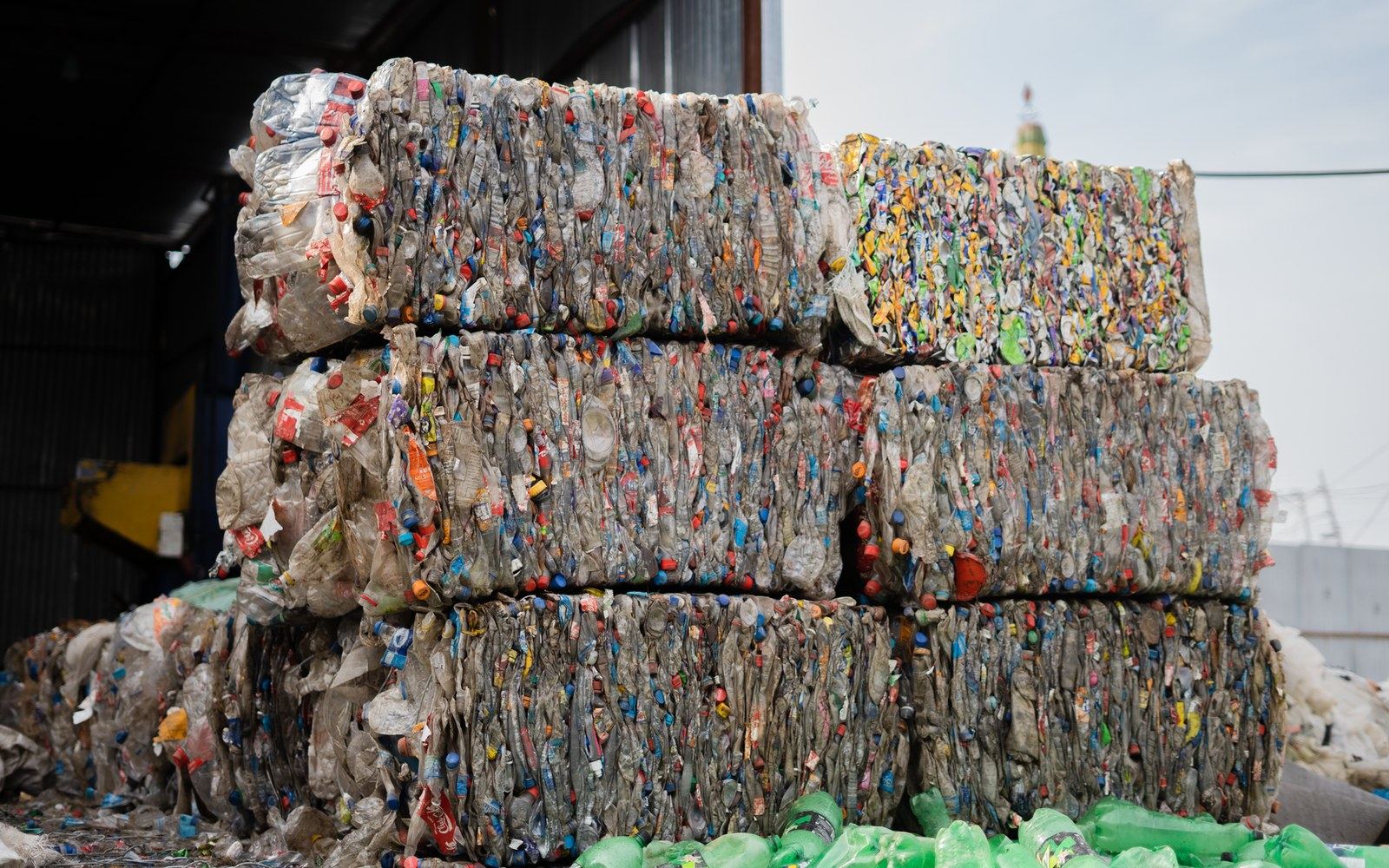
Baled at the end of sorting. Bale grade, not garment quality, sets the price.
Photo: Gaurav Ranjitkar / Pexels