ASOS and Zara Are Not the Same Thing
Both brands appear in ultra-fast fashion headlines, but their SKU counts, supply chains, and regulatory exposure differ in ways that matter for policy analysis.

Inditex and ASOS sit on different sides of the French thresholds — by SKU count and by production geography.
Photo: Inditex · Wikimedia CommonsWhat the French Threshold Actually Reveals
France's fast-fashion bill passed by the National Assembly on 14 March 2024 created a levy scaled to a product's environmental rating — the eco-score levy — and set a numerical trigger based on the volume of new styles a company releases annually. Shein and Temu were the bill's implicit targets, but the thresholds are broad enough to draw in brands with far more conventional business models.
Zara, the flagship of Inditex, releases many thousands of new styles per year by most industry estimates. That is a high number for a high-street brand, but it is produced through a vertically integrated supply chain anchored in Spain, Portugal, Morocco, and Turkey, with proximity manufacturing allowing Inditex to respond to demand signals within weeks rather than days. The model is fast, not ultra-fast: lead times and geography are meaningfully different from Chinese-origin on-demand producers. Inditex's 2023 annual report disclosed that more than 90 percent of its hazardous-substance management follows ZDHC (Zero Discharge of Hazardous Chemicals) standards — a supply-chain claim with an external audit trail.

The show calendar and the drop calendar now run at different speeds.
Photo: Matheus Bertelli / PexelsASOS presents a different profile. Headquartered in London, it operates as a platform as much as a brand, carrying several thousand own-label styles alongside third-party labels at any time. Its own-label production is sourced globally, with a significant Bangladesh and China share, and the SKU count — while lower than Shein's — has historically been high relative to traditional mid-market retailers. ASOS publishes a Fashion Transparency Index score and has made Extended Producer Responsibility commitments in its sustainability disclosures, though the Competition and Markets Authority's fashion greenwashing sweep, completed in 2023, did result in undertakings from ASOS alongside Boohoo and Asda's George label.
That CMA outcome is not nothing. It places ASOS — not Zara — in the category of companies whose environmental marketing required regulatory correction. Zara faces the French levy's volume thresholds; ASOS has faced a UK regulator's scrutiny of its sustainability language. The risks are different, and so are the companies.
Regulatory exposure snapshot
- Eco-score levy threshold — France's 2024 law targets volume of new styles per year; Zara's ~40,000-style annual cadence sits in scope by volume
- CMA undertakings — ASOS committed to overhaul green claims following the CMA's fashion greenwashing investigation; Zara was not named
- ZDHC compliance — Inditex reported 90%+ ZDHC alignment in its 2023 annual report, providing an auditable supply-chain baseline
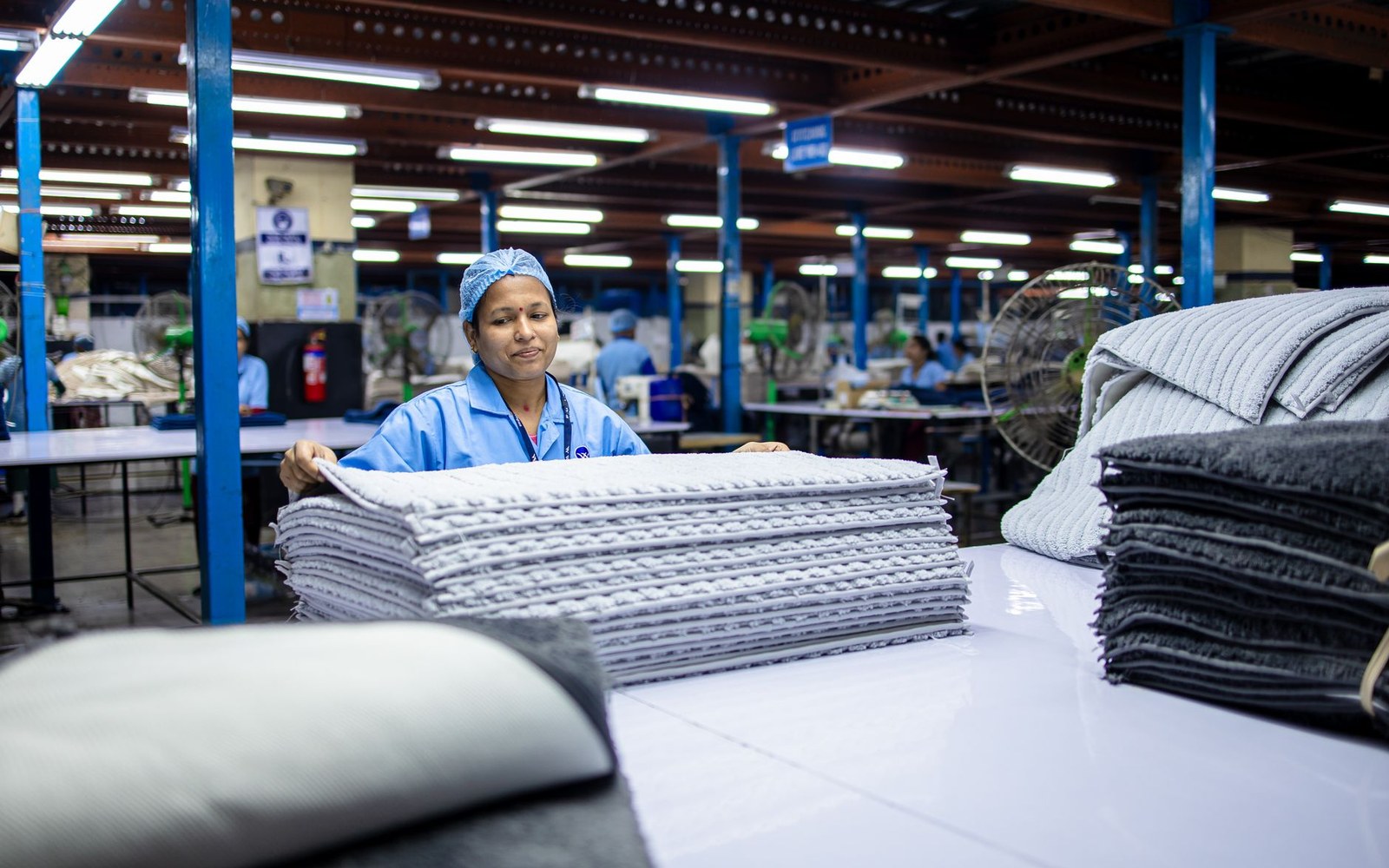
Grading is manual: reuse, recycling, refuse. Separate collection produces the stream; the sorting decides what it is worth.
Photo: EqualStock IN / Pexels