What SKU Count Actually Tells You
Published estimates of Shein's daily new-style count range from 2,000 to 10,000 depending on the methodology and the date of the study; Zara releases roughly 20,000 new styles a year. This piece examines what SKU frequency figures measure, which sources publish them, and why the French levy uses a different threshold entirely.
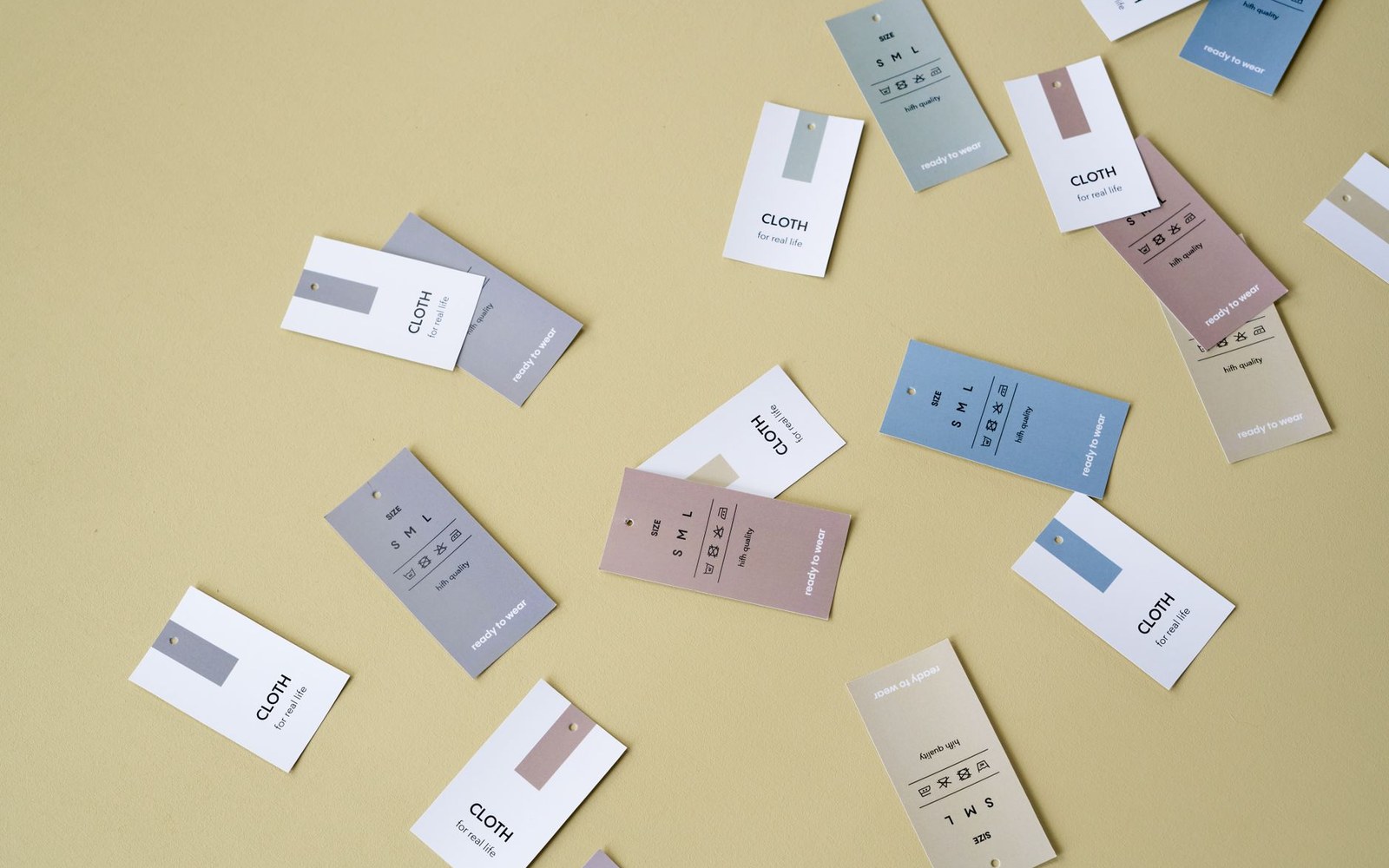
Published estimates of Shein’s daily new-style count range from two thousand to ten thousand.
Photo: Ron Lach / PexelsThe figure is real; the methodology behind it is not standardised
A stock-keeping unit, or SKU, is the most basic unit of inventory tracking: a distinct product variant distinguished by style, colour and size. When researchers or journalists say Shein releases thousands of new styles a day, they are counting new SKUs added to the platform — but the methodology behind that count varies enough to make the figures almost incomparable.
Published estimates of Shein's daily new-style additions range from roughly 2,000 to 10,000. The lower end comes from independent platform-scraping studies conducted around 2021 and 2022; the higher figures appear in trade press and advocacy reports from subsequent years, when the platform had expanded its category range. Neither set of numbers is wrong, exactly — they reflect different observation windows, different definitions of what constitutes a "new" style versus a restocked variant, and different moments in the company's growth curve. Shein's own micro-batch production model, in which small test runs are scaled only when early sales data supports it, structurally requires a high SKU-introduction rate: the churn is the business model.
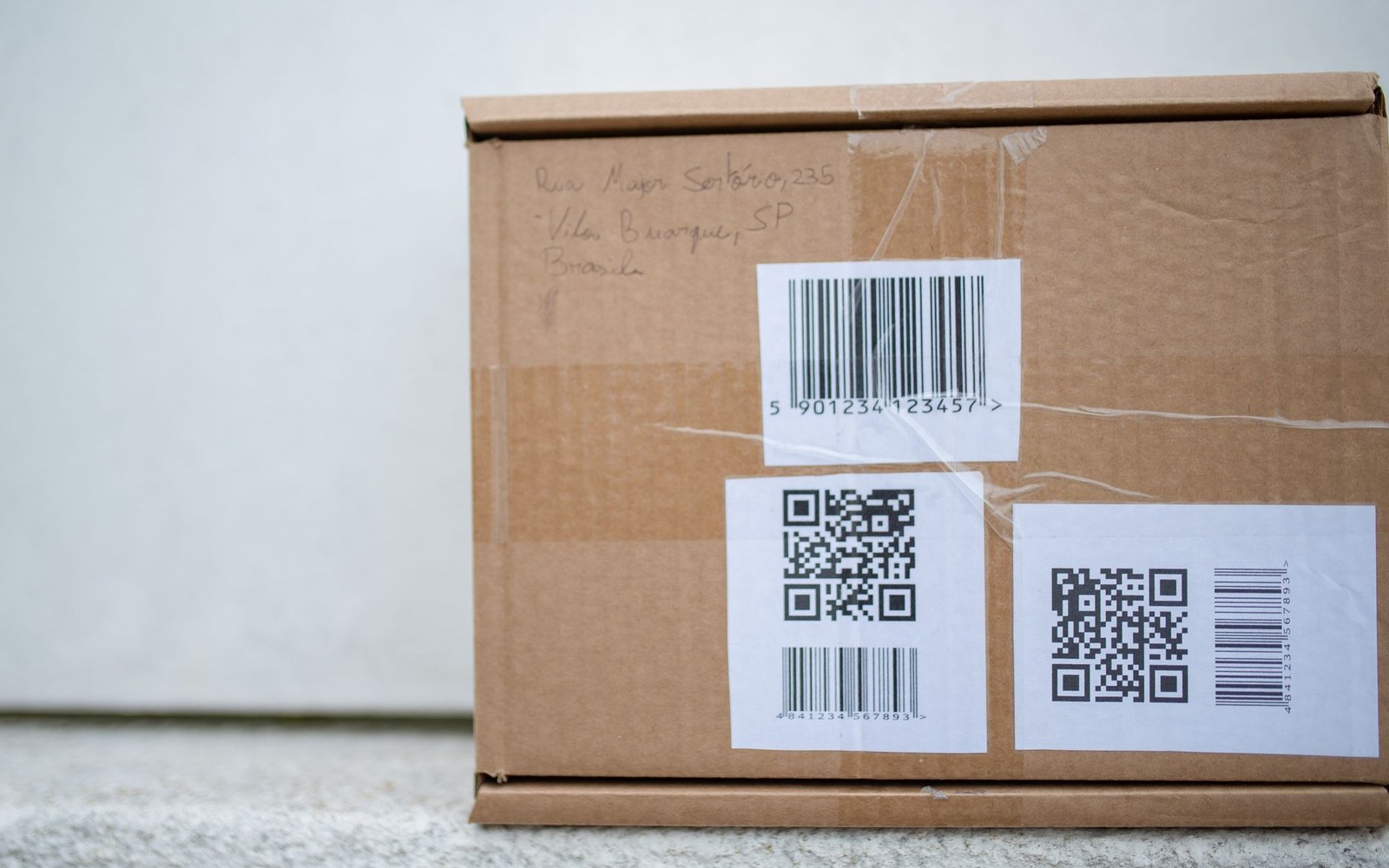
Barcode and QR stickers on an inbound parcel. The digital product passport has to carry more than this, and fit on the garment’s own label.
Photo: Kampus Production / PexelsZara, by contrast, releases approximately 20,000 new styles per year — a figure that appears in Inditex's own operational disclosures and has been widely cited by analysts. On a daily basis that is roughly 55 styles. The comparison with Shein's thousands-per-day is arithmetically stark, but it conflates companies operating entirely different physical-production and inventory logics. Zara manufactures ahead of demand; Shein largely does not.
The fragility of SKU counts as a regulatory metric is exactly why France's 2024 fast-fashion legislation, passed by the French National Assembly on 14 March 2024, chose a different threshold. The law's eco-score levy applies to companies releasing new styles in very large volumes — a threshold designed to capture ultra-fast fashion operators while excluding mid-market brands, without requiring auditors to verify a daily scrape of a platform's catalogue. Annual style count is documentable from a company's own records; daily SKU additions require third-party platform surveillance that no regulator currently has the infrastructure to conduct at scale.
What SKU frequency does reliably signal is inventory philosophy. A company releasing tens of thousands of styles annually cannot meaningfully manage quality control or chemical compliance at the per-item level — a concern the European Commission's Ecodesign Regulation addresses through digital product passport requirements, which will eventually demand material and supply-chain data for individual product lines. The passport standard makes style-count economics harder to sustain quietly: every SKU, in principle, becomes a compliance obligation.
Key thresholds

A domestic machine and a bench: the cheapest intervention anywhere in the chain.
Photo: Gustavo Fring / Pexels