Vestiaire Collective Drew a Line at Fast Fashion in 2022
The peer-to-peer resale platform banned roughly 100 brands in September 2022 — and then kept going.
From September 2022 Vestiaire Collective began removing fast-fashion brands from its platform.
Photo: vestiairecollective.comA Deliberate Exclusion
In September 2022, Vestiaire Collective began removing fast-fashion brands from its platform in a phased cull that would eventually cover more than 100 labels. The Paris-based resale marketplace — then valued at around €1 billion following a 2021 fundraising round that included a Kering investment — framed the decision not as curation but as policy, arguing that fast fashion does not belong on a platform built around longevity and reuse.
The initial wave targeted brands whose business models the company characterised by high volume, low price and rapid style turnover: Zara, H&M, Boohoo, ASOS, Shein, Topshop and roughly ninety others. A second phase followed in early 2023, extending the list. Items already listed by sellers were allowed to complete their sales; new listings from the named brands were blocked.

The show calendar and the drop calendar now run at different speeds.
Photo: Matheus Bertelli / PexelsVestiaire's stated criteria centred on price point and production cadence rather than material composition or supply-chain audit results. The company did not publish a detailed scoring methodology, which left the boundary — why a particular brand qualified as fast fashion and another did not — somewhat opaque. Brands operating at similarly high SKU counts but positioned at higher price points were not included in the ban, a distinction that drew scrutiny from commentators watching the secondary market develop its own vocabulary for sustainability claims.
The commercial logic was legible. Vestiaire Collective competes with Depop, The RealReal, ThredUp and Vinted in a resale market that research consistently shows is growing fastest among buyers who cite sustainability as a motivation. Excluding fast fashion sharpened the platform's positioning toward premium and luxury goods — the segment where Vestiaire already held a stronger authentication infrastructure and seller base. Kering's presence on the cap table gave the move additional visibility: a luxury conglomerate with a declared interest in extending garment life cycles had a stake in a platform now actively defining what did not count as long-lasting.
Key decision points
- September 2022 — initial fast-fashion ban, approximately 100 brands removed from new listings
- Early 2023 — second phase, list extended
- Existing seller listings allowed to complete; only new listings blocked
The policy also arrived as regulators in France were developing what would become the 2024 fast-fashion legislation that explicitly named Shein and Temu, attaching an eco-score levy to ultra-fast-fashion items. Vestiaire's 2022 decision preceded that statute by nearly two years, making it one of the earlier institutional acts — from a private platform rather than a legislature — to operationalise a distinction between resale-worthy clothing and disposable goods.
Whether the ban moved buyer behaviour is harder to measure. Sellers redirected excluded listings to competitor platforms. The removed brands did not disappear from the secondary market; they migrated. What the exclusion did establish was a precedent: resale platforms can and do set their own category rules, independent of the primary market's own classifications.
What it signals
- Vestiaire's defining criterion: high volume, low price, rapid turnover — not material or audit data
- Kering is an investor; its stake linked luxury conglomerate interests to the platform's positioning
- French fast-fashion legislation followed in 2024, naming Shein and Temu explicitly
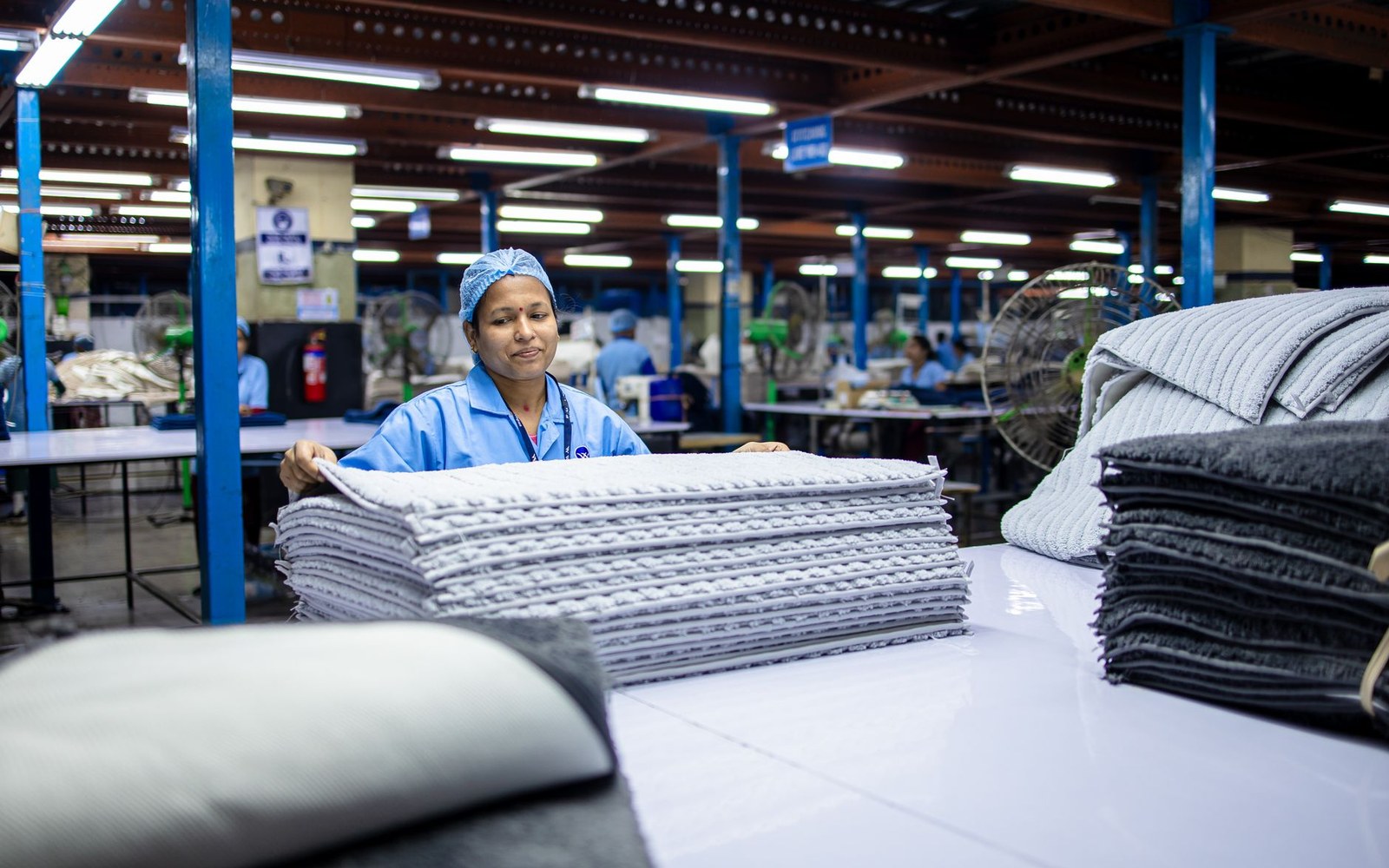
Grading is manual: reuse, recycling, refuse. Separate collection produces the stream; the sorting decides what it is worth.
Photo: EqualStock IN / Pexels