Until 2 May 2025 the Parcel Came In Duty-Free
The US de minimis exemption let hundreds of millions of low-value parcels clear customs without duty or formal entry. An executive order ended that for Chinese and Hong Kong shipments on 2 May 2025 — and a second order closed it for every other origin by 29 August.
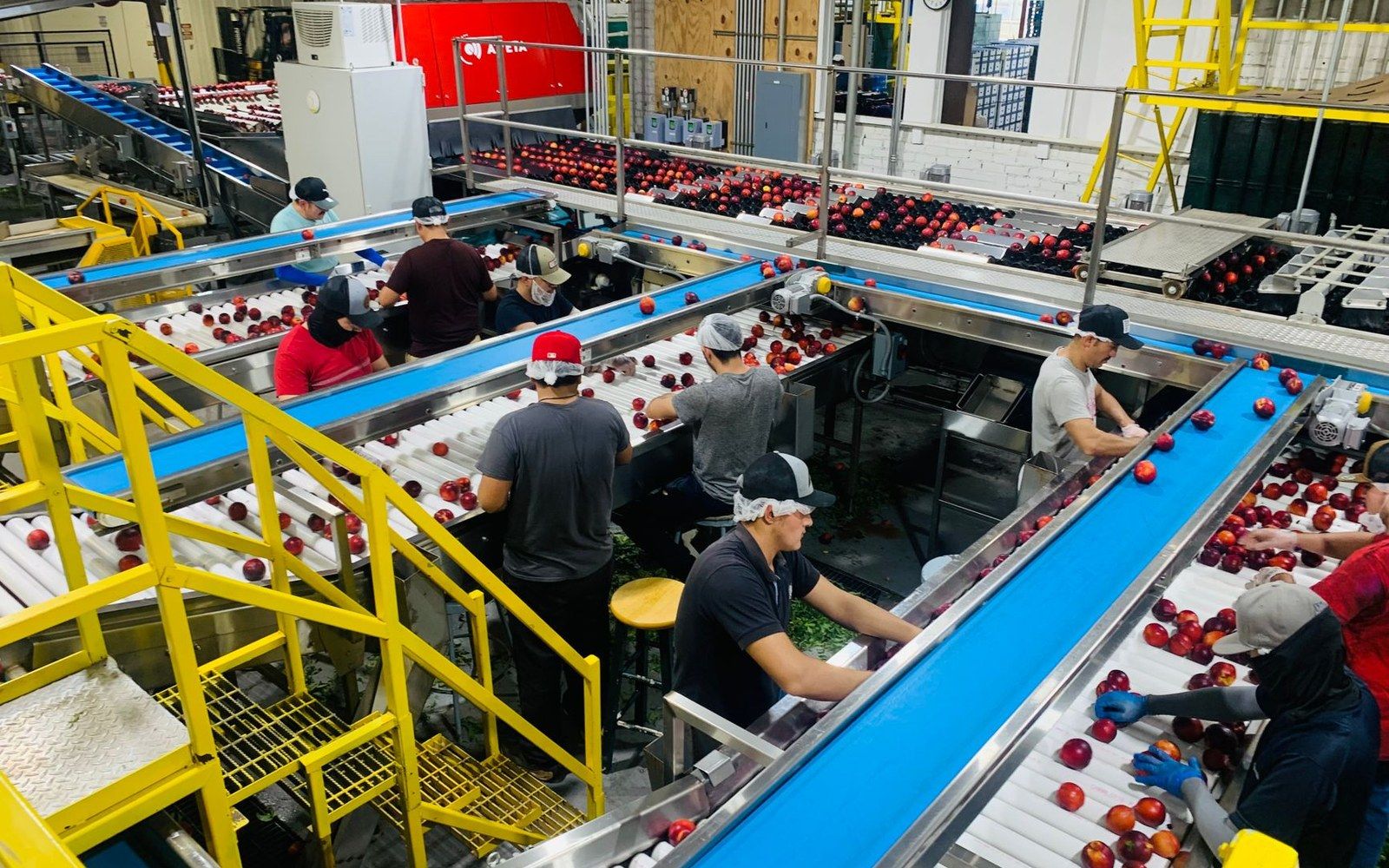
Parcels valued under $800 entered the United States without duty or formal entry until 2 May 2025.
Photo: Jonathan David / PexelsWhat the Exemption Was, and What It Moved
The de minimis exemption — in US trade law, the threshold below which an imported parcel attracts neither duty nor a formal customs entry requirement — was set at $800 per shipment by the Trade Facilitation and Trade Enforcement Act of 2015. That figure was itself a sharp upward revision from the prior $200 level, and it was generous by international standards: the EU's equivalent threshold sits at €150.
The practical consequence was that a package containing a $12 dress, a $30 pair of trainers, or a $7 phone case could enter the United States without a tariff line, a declared country of origin inspection, or a formal entry document. US Customs and Border Protection reported that de minimis shipments exceeded one billion parcels in fiscal year 2023, compared with roughly 140 million a decade earlier. A significant share of that volume originated in China.
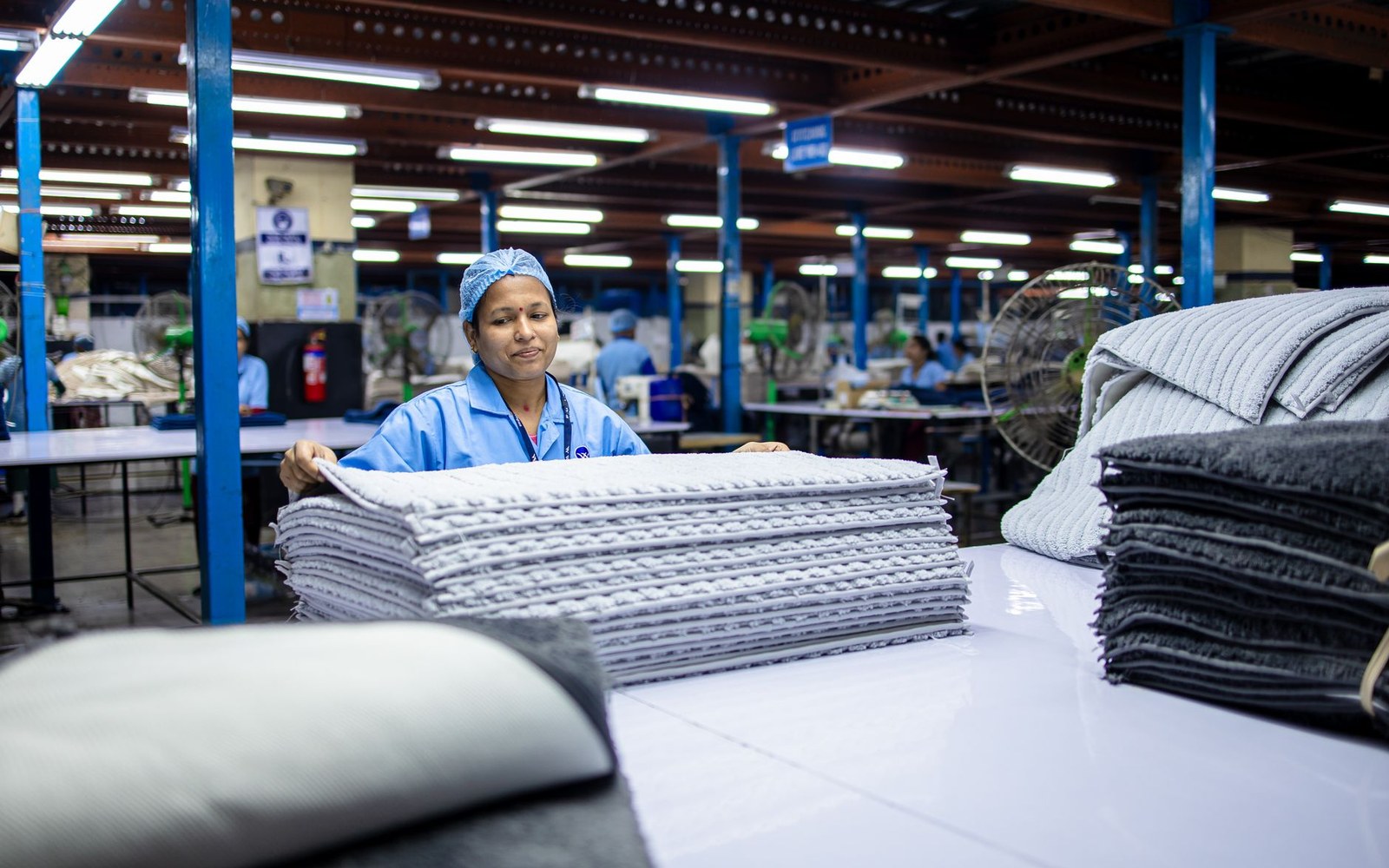
Grading is manual: reuse, recycling, refuse. Separate collection produces the stream; the sorting decides what it is worth.
Photo: EqualStock IN / PexelsThe growth mapped almost exactly onto the rise of Shein and Temu. Shein's on-demand micro-batch production model — small test runs fulfilled from Chinese warehouses directly to the consumer — depended structurally on the exemption: without it, each parcel would have been subject to Section 301 tariffs that in some categories reached 25 percent or more. Temu, which entered US and European markets from late 2022 with an aggressive direct-from-manufacturer proposition, was similarly reliant. The exemption did not create these companies, but it priced their logistics model into viability.
The Two Orders
The first change came through an executive order signed by President Donald Trump and taking effect on 2 May 2025. It eliminated the de minimis exemption specifically for goods shipped from China and Hong Kong — two origins that between them accounted for the dominant share of affected parcel volume. Shipments from those origins became subject to standard duty assessment and entry procedures regardless of declared value.
Key thresholds and dates
A companion mechanism set the duty rate for affected postal-channel shipments: either a flat fee per parcel or an ad valorem rate, with the flat fee structured to increase in steps. The effect was immediate for the largest-volume ultra-fast fashion supply lines.
The second executive order, effective 29 August 2025, extended the closure universally. After that date, no origin retained the $800 threshold; all low-value commercial shipments to the United States became subject to standard customs procedures. That order removed the structural incentive to re-route Chinese-origin goods through third-country transshipment points — a workaround that had been widely discussed in logistics and trade-compliance circles within weeks of the May order.
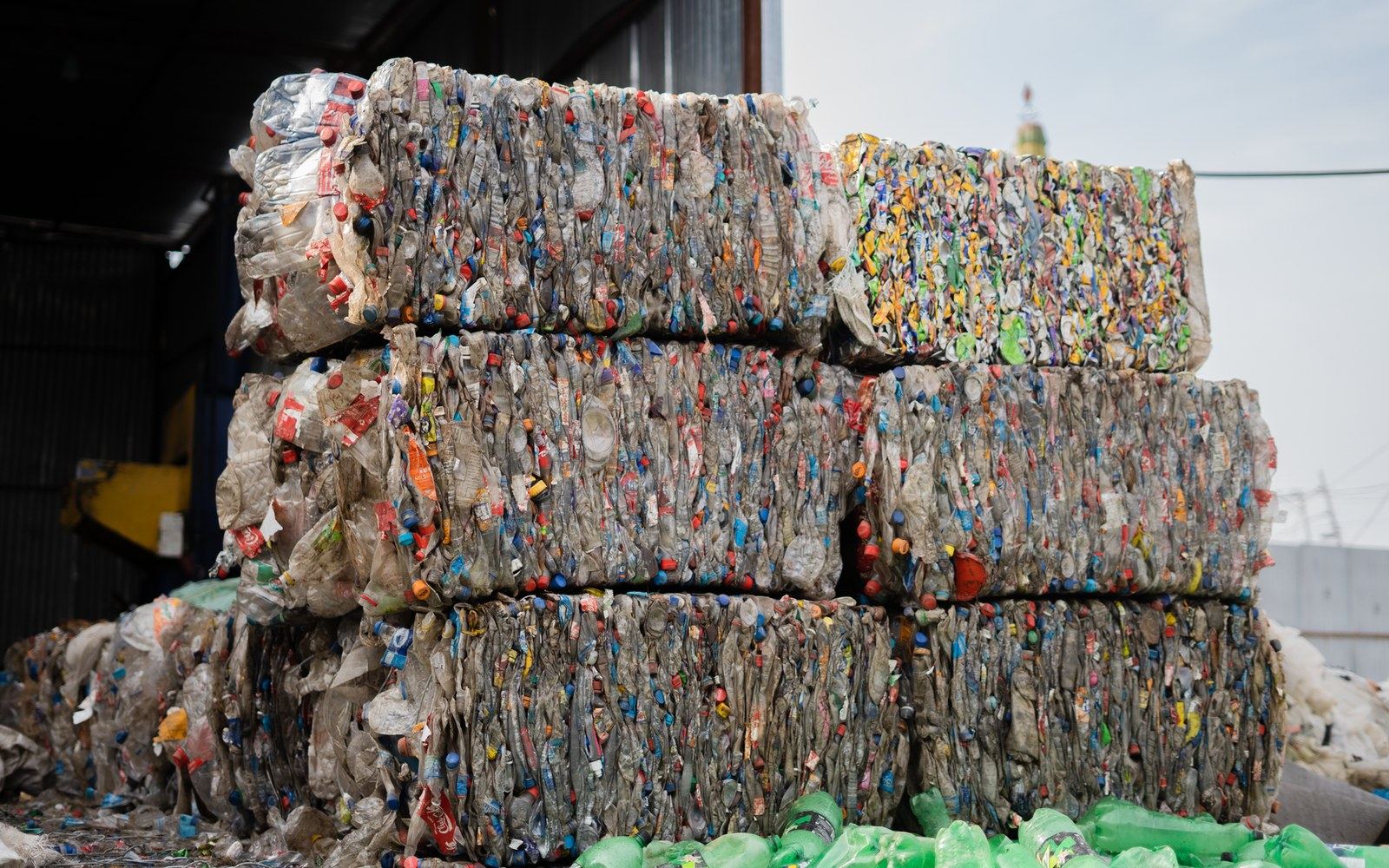
Baled at the end of sorting. Bale grade, not garment quality, sets the price.
Photo: Gaurav Ranjitkar / PexelsWhat Changes in Practice
The compliance cost is not only the duty itself. Formal customs entry requires a broker, a formal entry bond, and itemised documentation. For a parcel worth $10, the administrative overhead of complying with standard entry requirements can exceed the value of the goods. That arithmetic reshapes the economics of the direct-to-consumer model from China and places a floor under achievable price points that did not previously exist.
For Shein, which had filed for a US IPO while the exemption was still intact, the timing is consequential. The company had disclosed in draft prospectus materials that changes to de minimis rules represented a material business risk. For Temu's parent PDD Holdings, the US market had been a primary growth target since the company's US launch in 2022. Both companies had begun building or announcing US and regional warehouse capacity before the orders took effect, suggesting the policy shift was anticipated — though the pace of the May 2025 closure moved faster than some logistics analysts had projected.
Boohoo, ASOS and other UK-headquartered fast-fashion companies shipping to US customers also lose the exemption under the August order, though their exposure is smaller than that of the China-based direct shippers. The more immediate question for non-Chinese origin shippers is whether the administrative burden of formal entry — even at low or zero duty rates — is sufficient to deter the smallest-value shipments.
The de minimis exemption was written into US statute at 19 U.S.C. § 1321; adjusting it by executive order rather than legislation reflected the President's emergency trade powers, and its durability as policy will depend on whether Congress chooses to codify or revise the new threshold.
Who the closure hits hardest
- Shein — direct-to-consumer, China-warehoused model structurally reliant on duty-free parcel entry
- Temu — direct-from-manufacturer proposition built around the same logistics economics
- Boohoo, ASOS — UK shippers to US customers, affected by the August universal closure but at lower exposure levels

Roll stock bought against a forecast. On-demand production inverts the order — the cloth is committed after the style sells.
Photo: wal 172619 / Pexels